
B2B branding is changing in ways that are easy to underestimate. This is not just about visual trends or design preferences. It is about how companies communicate what they do, how they scale their presence, and how they are understood by both buyers and AI systems.
Most B2B websites today are under pressure from two directions. Buyers expect faster answers and clearer positioning. At the same time, AI tools are summarizing, comparing, and filtering vendors before a human ever visits the site. If your brand is vague or inconsistent, you are easier to ignore.
This is why branding is becoming more structured. It needs to hold up across a growing number of pages, campaigns, and channels. It also needs to be clear enough to be interpreted correctly, whether by a person or a machine.
The trends shaping 2026 and 2027 reflect that shift. They are less about surface-level design and more about how brands operate.
Branding is shifting toward a system-driven approach
Brand guidelines are still foundational. Most B2B companies rely on a defined brand document to establish core elements like logo usage, color palette, and typography. That is not changing.
What is changing is how those guidelines are used.
As websites grow, more teams are involved in producing content. New pages, campaigns, and assets are created on an ongoing basis. Even with strong guidelines in place, consistency can break down without a clear structure for execution.
A system-driven approach addresses this.
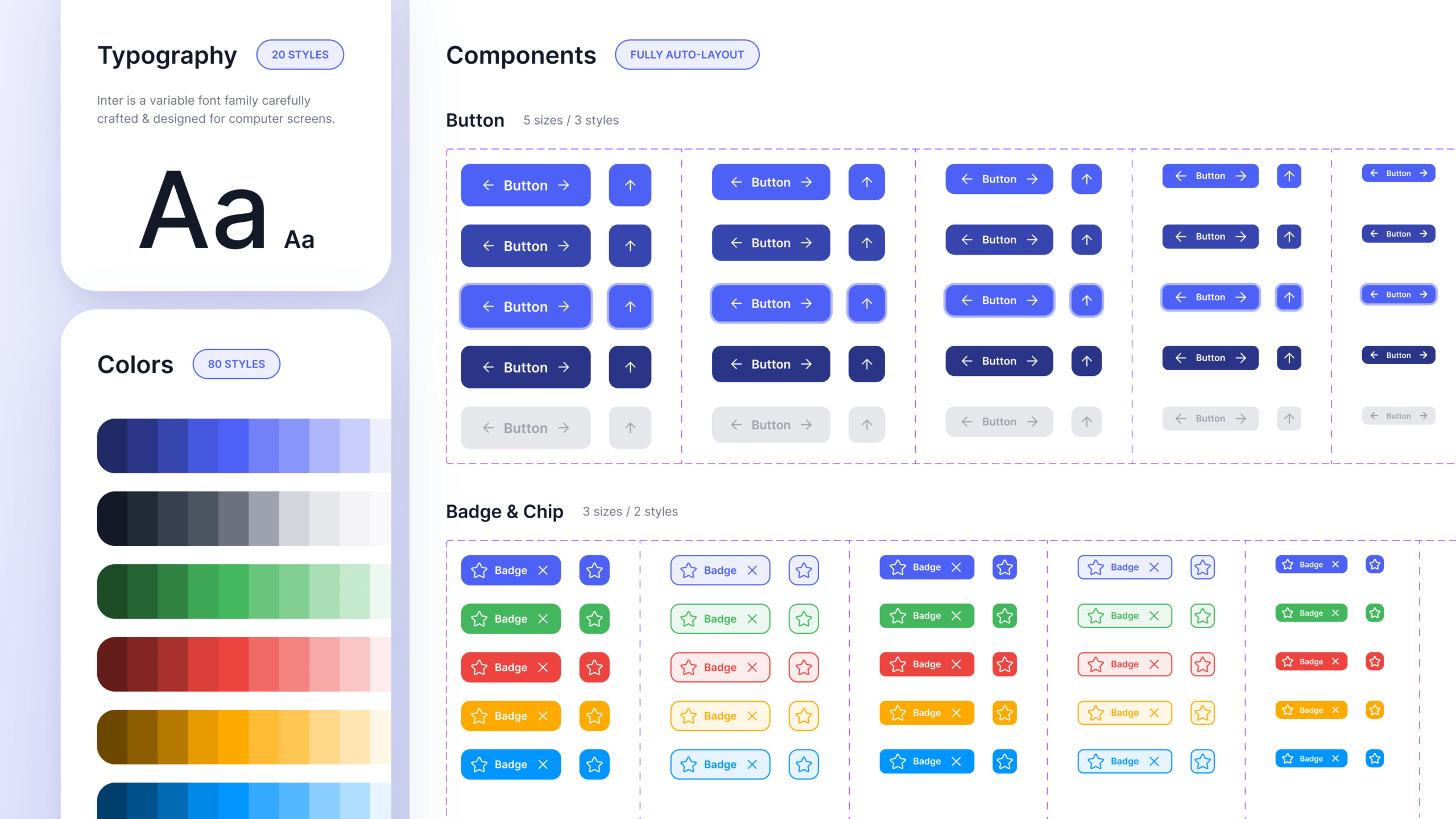
Instead of relying on guidelines alone, companies are building frameworks that translate brand standards into usable components. Layout structures, UI elements, and content patterns are defined so teams can apply them consistently.
Design systems are a key part of this shift. They provide a shared library of components and interaction patterns that keep design and development aligned.
This helps teams:
- Launch pages and campaigns more efficiently
- Avoid rebuilding common elements
- Maintain consistency across large websites
- Reduce inconsistencies over time
For companies managing complex websites or multiple product lines, this approach creates more control as the site scales.
The human brand as a response to AI saturation
As AI-generated content becomes more common, many B2B brands are moving in the opposite direction.
Instead of polished, overly refined visuals, there is a shift toward work that feels more real. Photography that shows actual people. Layouts that include texture, grain, or imperfect elements. Design that feels closer to editorial than corporate.
This is not about style for its own sake. It is a way to signal credibility.
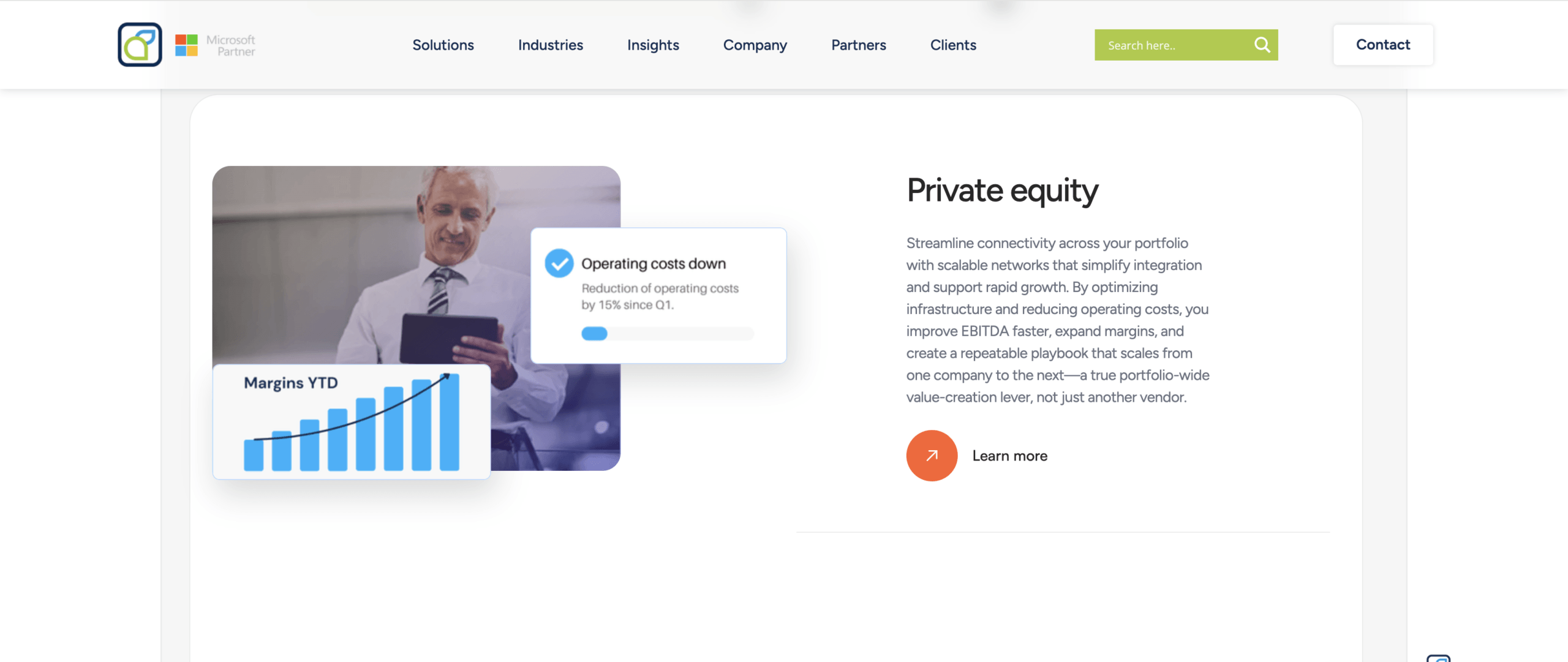
In B2B, buyers are often evaluating expertise and trust. When everything looks generic, it becomes harder to tell one company from another. Brands that show real people, real environments, and real details stand out more clearly.
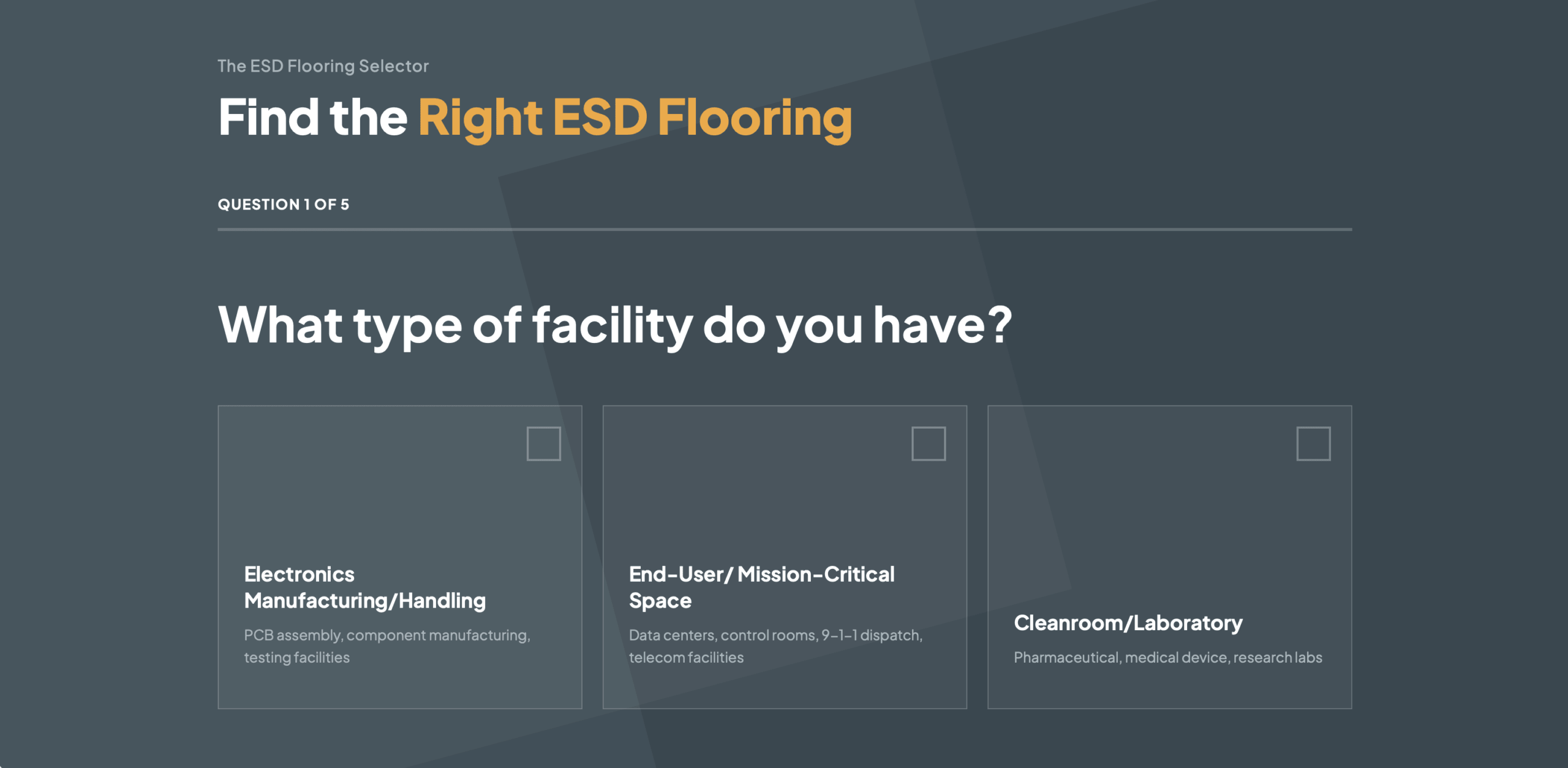
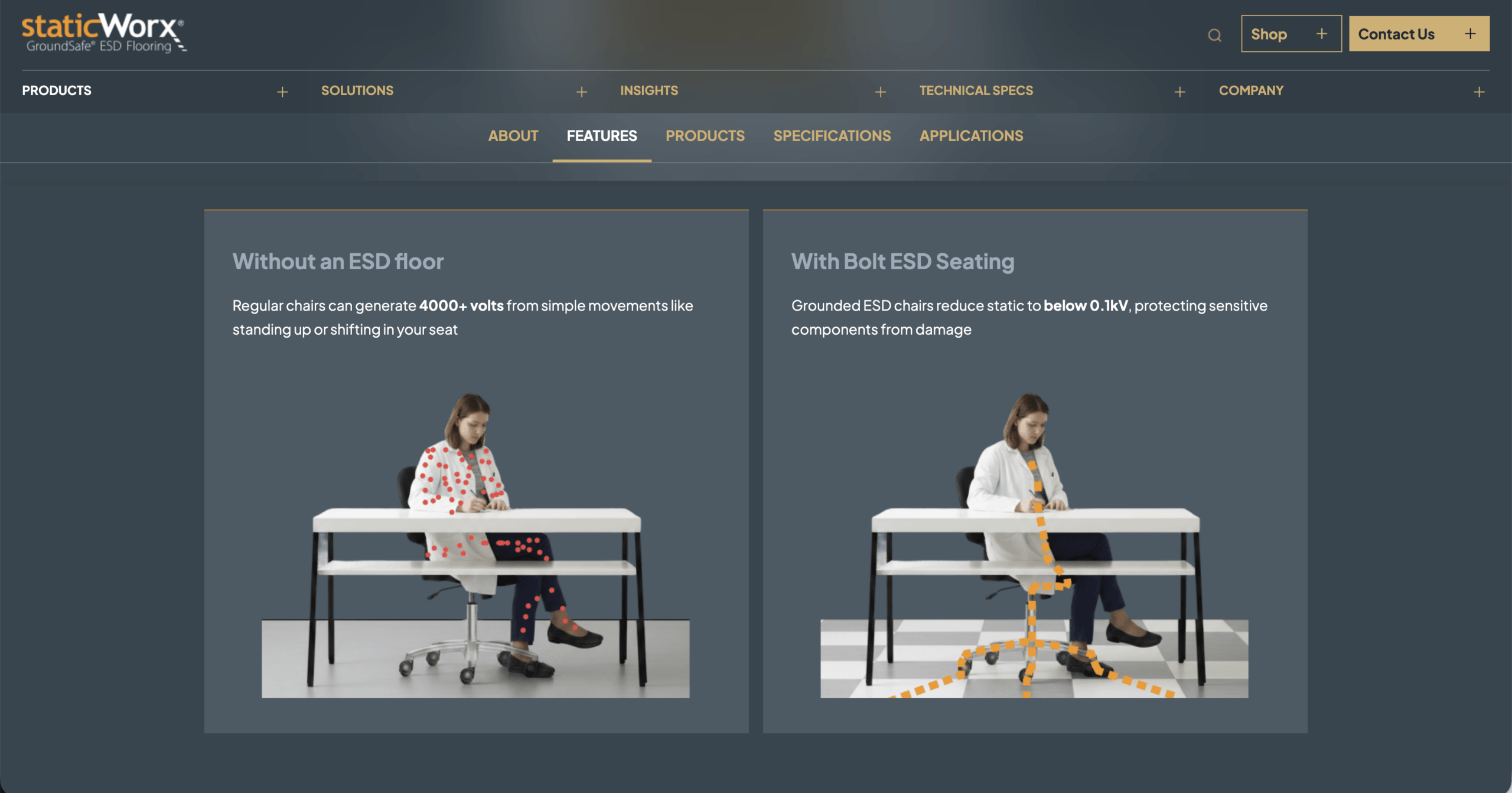
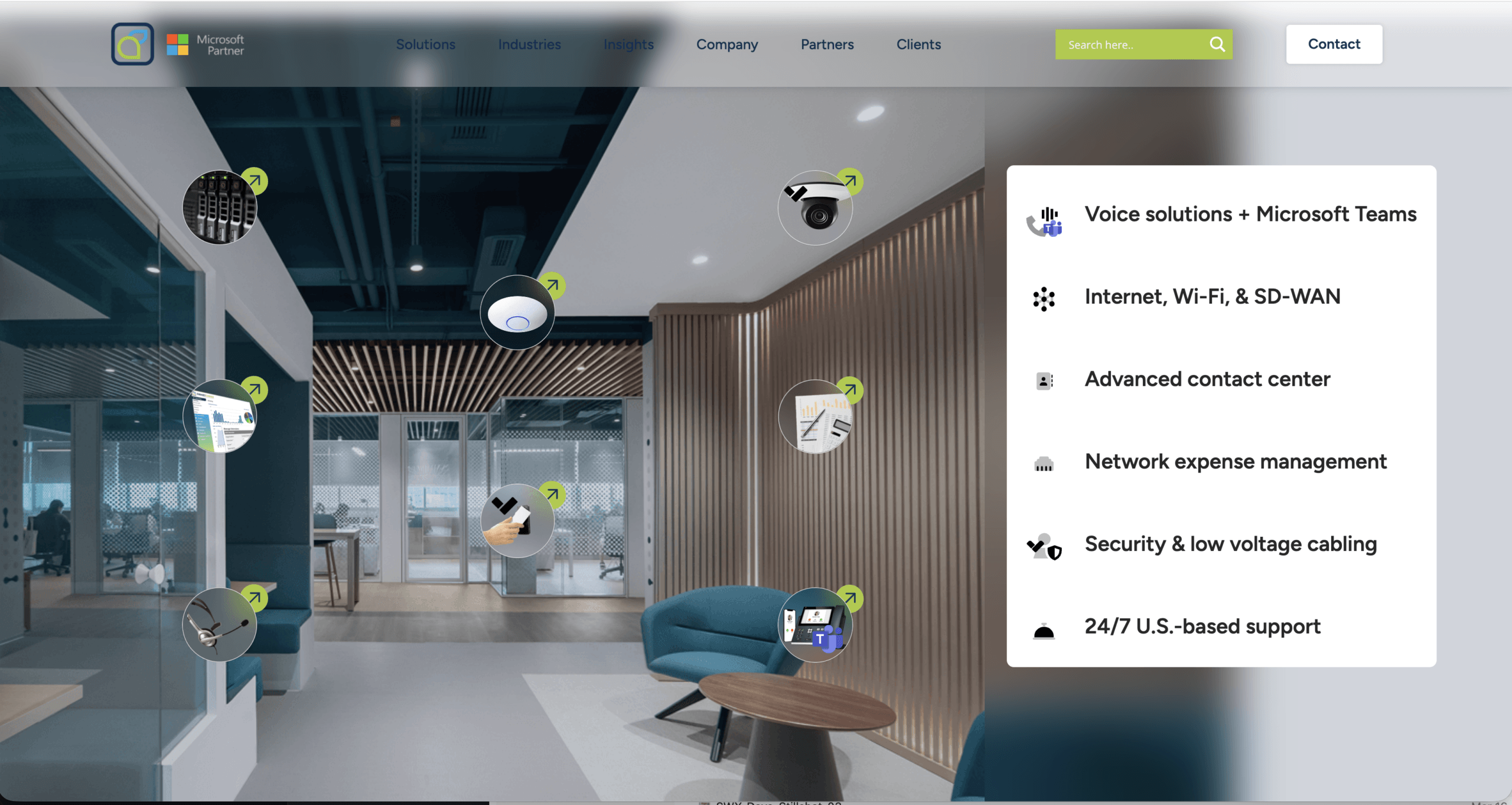
Companies like StaticWorx and SmartChoice lean into this. Their messaging focuses on experience, relationships, and accountability rather than abstract visuals. The brand feels grounded because it is tied to real people and real work.
This approach becomes more important as AI-generated design becomes easier to produce.
StaticWorx
SmartChoice
Strategic use of AI in brand expression
At the same time, some companies are leaning into AI as part of their branding process.
AI-assisted tools are already being used to generate layouts, refine imagery, and support production workflows. This is not replacing designers. It is changing how they work.
For certain use cases, AI can solve practical challenges. Product libraries that are difficult to photograph can be built more efficiently. Visual assets can be adapted for different contexts without reshooting or rebuilding everything.
The key is how it is applied. When AI is used without direction, the result often looks generic. When it is guided by a clear brand system, it can extend that system more efficiently.
In 2026 and 2027, the difference will come down to control. Brands that treat AI as a tool will benefit from it. Brands that rely on it without structure will blend in.
Data visualization as a core branding tool
B2B companies rely heavily on data. The challenge is making that data understandable.
More websites are turning data into visual content instead of leaving it buried in text or tables. Charts, graphs, and interactive elements are being used to explain performance, processes, and outcomes.
This does two things at once. It makes complex information easier to follow, and it reinforces the company’s authority in its space.
For industries like technology, finance, and analytics, this becomes part of the brand itself. The ability to present information clearly reflects how well the company understands its own offering.
When done well, data visualization is not decoration. It is communication.
AI-assisted personalization and dynamic brand experiences
Websites are becoming more responsive to the user.
AI is making it possible to adjust messaging, content, and recommendations based on behavior or audience type. Instead of showing the same experience to everyone, brands can present more relevant information in real time.
For B2B companies, this often shows up in landing pages, product content, and resource recommendations. A returning visitor might see different messaging than a first-time user. A prospect from a specific industry might see content tailored to their needs.
This shifts B2B branding from something static to something that changes depending on who is viewing it.
The challenge is keeping that experience consistent. Personalization still needs to reflect the same positioning, tone, and structure. Without that, the brand starts to feel fragmented.
Clarity as brand strategy in an AI-driven environment
Clarity is becoming one of the most important parts of B2B branding.
Buyers are asking more specific questions. AI tools are summarizing content and comparing options quickly. If a brand is vague, it is harder to understand and easier to skip.
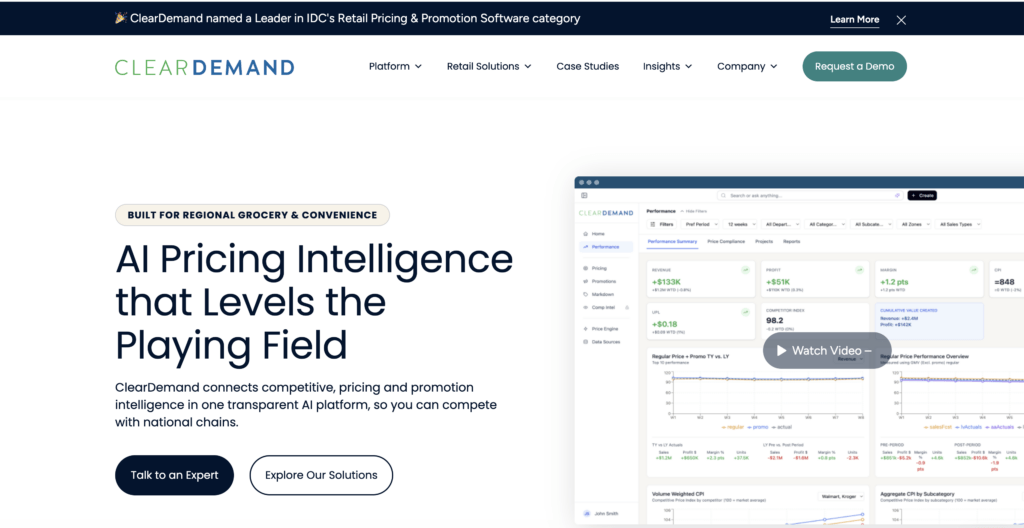
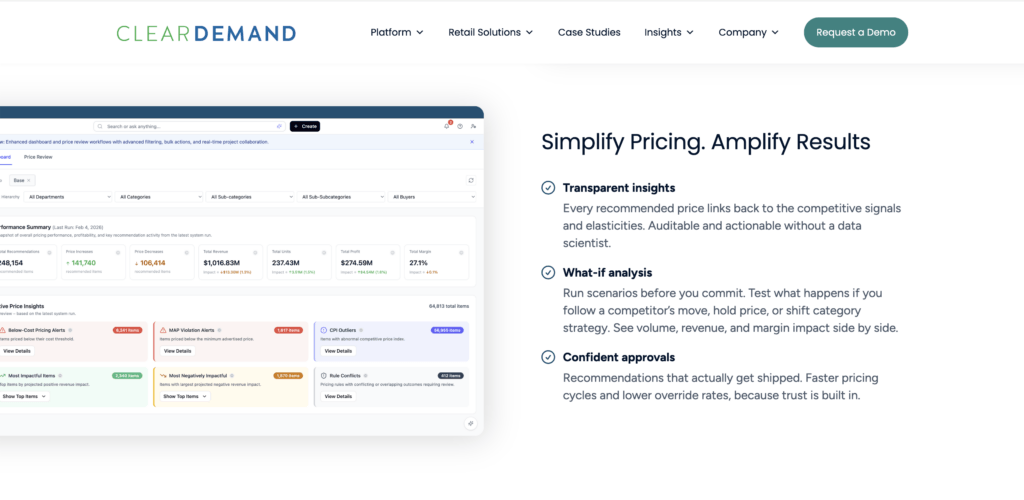
ClearDemand is a strong example of this. Their positioning is direct and specific. Their products are clearly named. Their messaging is structured in a way that is easy to follow and evaluate.
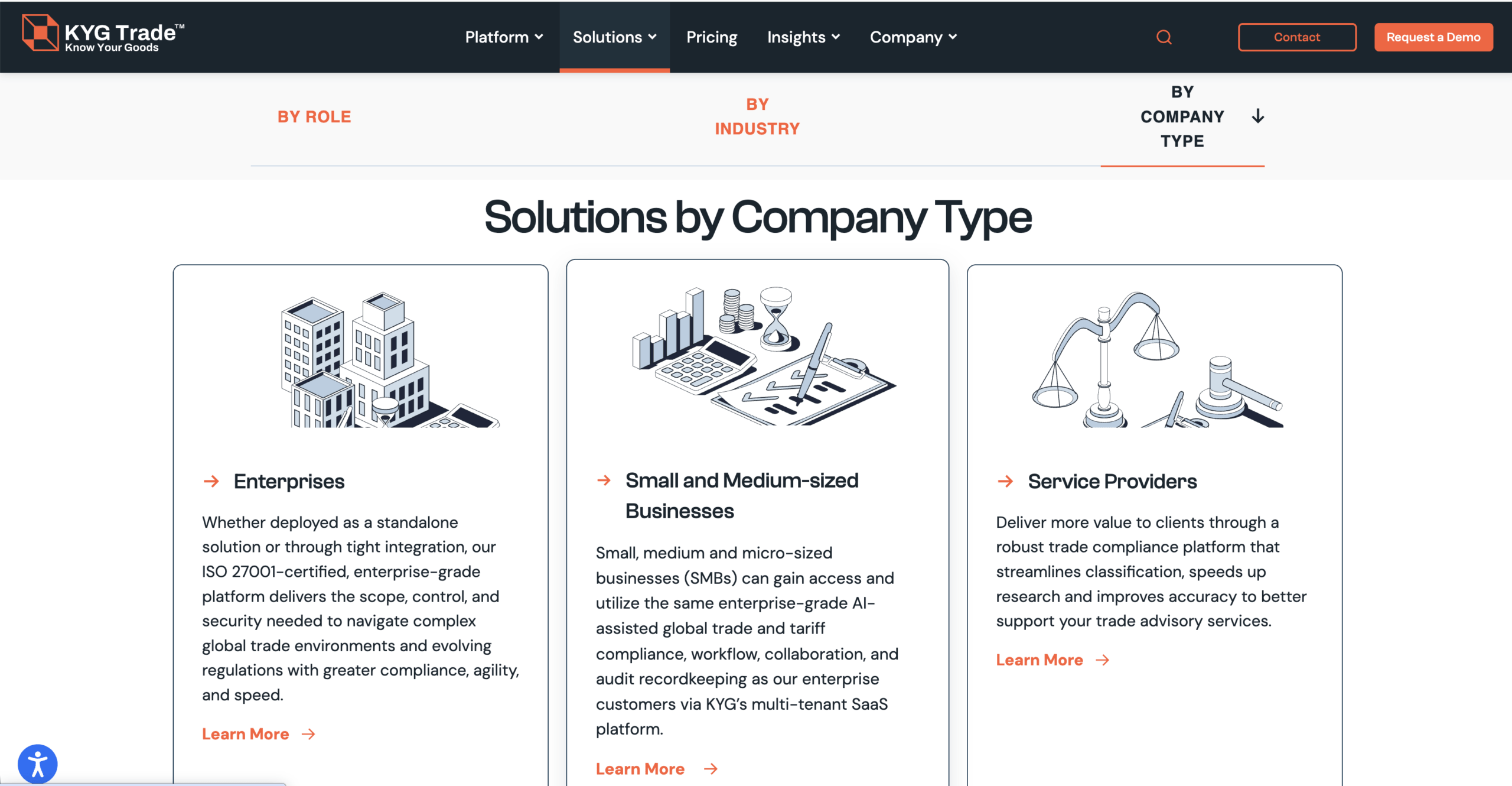
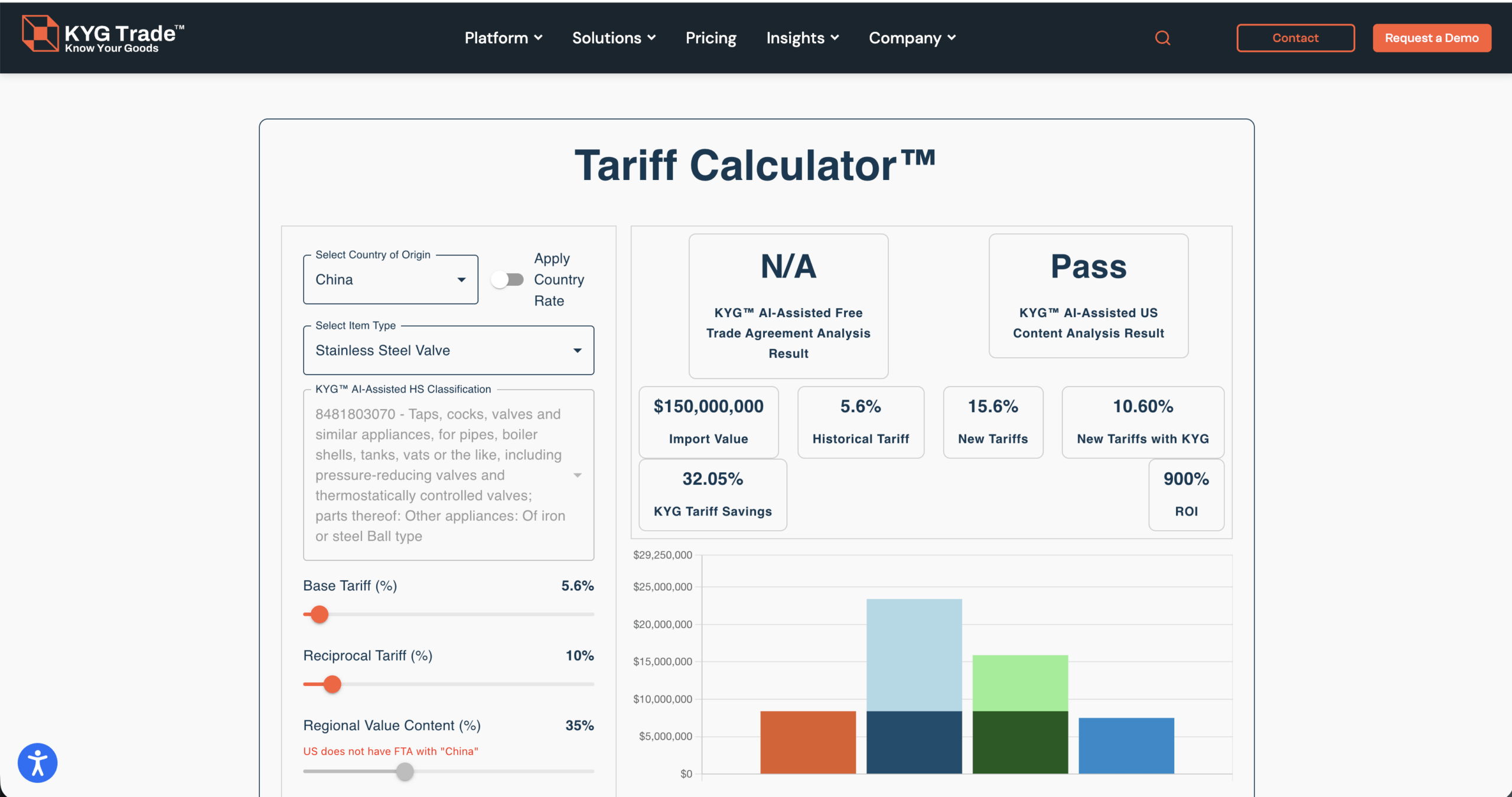
KYG Trade takes a similar approach at the product level. Each tool has a distinct name and purpose. This creates a vocabulary that is easy to reference and remember.
This kind of clarity makes a difference in both human and AI-driven environments. It allows the brand to be understood quickly without requiring interpretation.
Vague messaging, on the other hand, creates friction.
ClearDemand
KYG Trade
Typography as a primary brand differentiator
Typography is taking on a larger role in B2B branding.
Many companies are using large, expressive type paired with short, direct copy. This helps communicate key ideas quickly and makes content easier to scan.
In crowded digital environments, this approach gives brands a stronger visual presence without relying on complex imagery.
Typography also shapes how information is read. Clear hierarchy and spacing guide the user through the page. The message becomes easier to follow, and important points are harder to miss.
For some brands, typography becomes one of the main ways they express identity.
What these trends mean for B2B companies
These trends point to a broader shift in how B2B branding is approached.
It is no longer enough to look polished. Brands need to function well across systems, communicate clearly, and hold up under scrutiny.
That means building structures that support scale. It means making positioning specific and easy to understand. It means deciding where to lean into technology and where to show the human side of the business.
Companies that approach branding this way are easier to evaluate, easier to trust, and easier to remember.
Those who do not risk becoming interchangeable.
How to evaluate your current B2B brand for 2026 and beyond
For companies reviewing their B2B brand, a few questions are worth asking.
- Is your positioning clear enough that someone can understand what you do in a few seconds?
- Can your website scale without introducing inconsistencies?
- Do your visuals reflect the level of credibility you want to convey?
- Are you using AI in a way that supports your brand, or is it creating generic output?
- Is your content structured in a way that is easy to follow and easy to summarize?
These are not design questions alone. They are business questions that affect how your brand performs in the market.
Are you ready for the shift?
Are you ready for the shift?
B2B branding is becoming more structured and more deeply integrated into how companies operate day to day. Across the trends shaping 2026 and 2027, the focus is clear: building systems that support consistency, scaling content without losing clarity, and aligning brand decisions with real business goals.
This shift is not about chasing visual trends or jumping onto new tools without a strategy. It is about creating a foundation teams can actually use. One that keeps messaging consistent, supports faster execution, and holds up as the business grows.
Companies that invest in structure, clear communication, and practical systems will be easier to understand and easier to trust.