

SaaS web design strategies for success
Make the intangible tangible
Software products can be hard for potential customers to understand, especially if their current processes rely on manual efforts. Using graphics, videos, and direct, easy-to-understand language, you can make your solutions feel “real” and connect with both tech-savvy and nontechnical buyers.

Win against inertia
Often, your biggest competition is the status quo. Companies have been using their existing processes for years, and even if they’re draining resources, it can be difficult to make the switch to better (or any) software. Your website should address your customers’ biggest pain points directly to reduce these barriers right away.

Outshine the competition
Most B2B buyers do extensive online research before reaching out to a SaaS salesperson. Instead of listing out features and capabilities alone, you can use this space to differentiate your product from your competitors. This might include comparison charts, case studies where customers switched to your product, blog articles highlighting potential issues with other software, and more. You’ll want to include these highlights on key pages to quickly engage new and repeat visitors.

Connect your people to your product
Who you are plays as much of a role in some SaaS deals as what your solutions offer. After all, many SaaS purchases turn into long-term partnerships, and buyers want to get to know who they’ll be working with. Make sure your website talks about your brand’s history, mission, vision, and culture. Share your team’s expertise, and use photos and videos to create a digital connection with potential buyers.

Establish your brand’s credibility
Many buyers have been “burned before” by software that was overhyped and under-developed. That means you’ll need to overcome a healthy dose of skepticism on your website. Case studies, customer testimonials, platform images and demo videos, and first-party resources build your case and assure buyers your product delivers as promised.

Bring in high-quality leads
A great website isn’t truly great unless it is converting. Your website should include key elements to guide visitors towards useful information and encourage them to request a demo. Menu structure, internal linking, and compelling calls to action all contribute to lead generation, so make sure you’re working with a B2B SaaS website design agency that understands how to optimize them for peak performance.

B2B SaaS website design from seasoned professionals

Deep B2B expertise
By focusing exclusively on B2B companies, we’ve developed a deep understanding of the industry and how to match effective B2B SaaS web design and brand messaging with the unique needs of each client.
Websites built for lead generation
Our web designers are experts at creating stunning websites that attract new visitors, engage potential buyers, and consistently deliver high-quality leads to your sales team.
Custom SaaS web design
We don’t reuse templates or work off a pre-fabricated framework. We love creating unique websites, including custom branding, graphics, and messaging, and our clients love the results.
Personal attention to detail
We’re a boutique marketing agency on purpose, which means you’ll work directly with a close-knit team of experienced designers, copywriters, brand marketers, and project managers.
Comprehensive marketing solutions
A truly great website is supported by excellent branding, UI/UX, SEO/GEO, and a content marketing strategy, which is why we offer solutions for them all.
Specialized in WordPress
We’ve been developing WordPress websites for 15+ years, and our expertise shows in the visually appealing, high-performing websites we create.

Featured SaaS website design projects
+17.8%
Organic Search
+18.62%
Organic Total Users
+119%
Engaged Sessions Per Active Users
+69.64%
Organic Google Search Clicks
+30.47%
Organic Google Search CTR
+30.02%
Organic Google Search Impressions
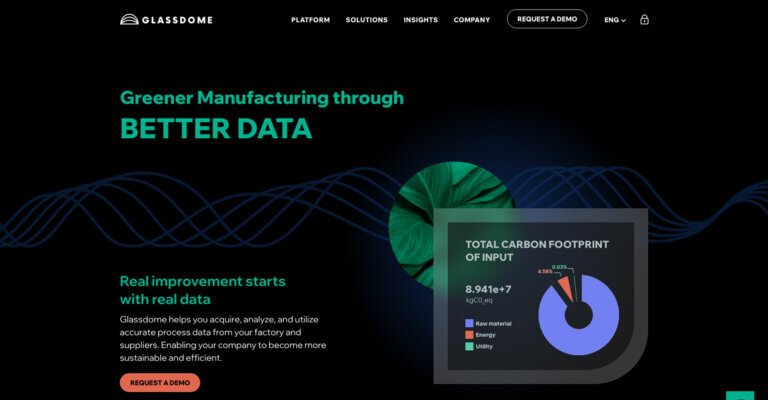
Glassdome
Industrial | Software | TechnologyNew B2B website built on WordPress improves leads and enables SaaS company for growth domestically and globally.
Learn More Read case study about Glassdome+59.85%
Organic search
+47.52%
Engaged organic sessions
+9.31%
Engagement rate
+206.02%
Organic social
+33.47%
Direct
+15.65
Events per session
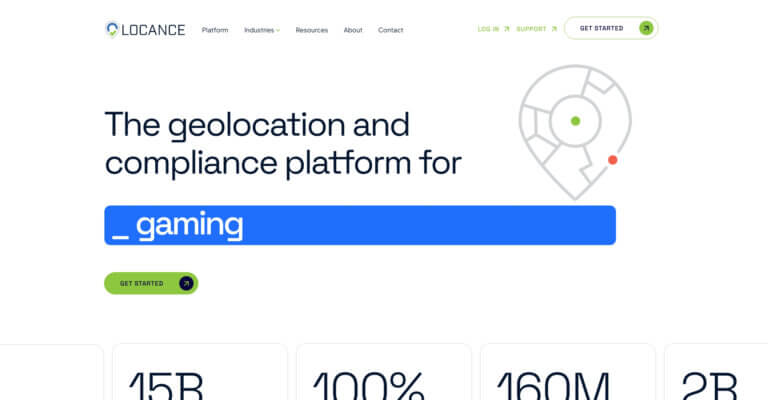
Locance
Software | TechnologyNew B2B web design and digital strategy ramp up conversions for geolocation services provider.
Learn More Read case study about Locance+48.4%
New users
+55.54%
Sessions
+34.52%
Engaged sessions
+106.25%
Direct
+70.18%
Event count
+800%
Organic social
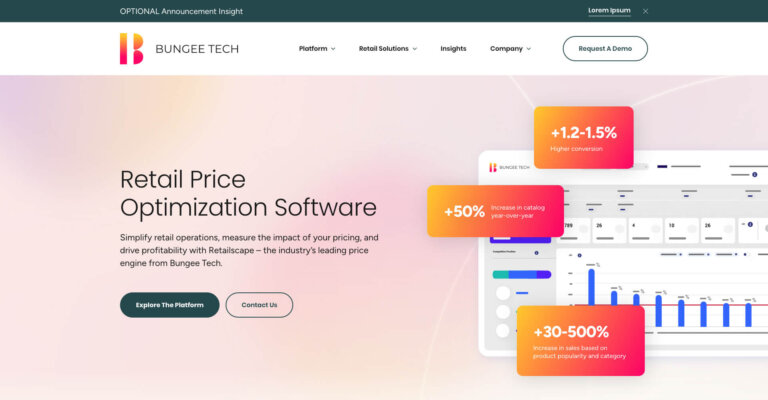
Bungee Tech
SoftwareB2B software firm revamps website and branding to streamline the user experience and clarify messaging.
Learn More Read case study about Bungee Tech+61.19%
Sessions
+32.79%
Engaged Sessions
+52.89%
Event Count
+74.66%
Organic Search Sessions
+72.04%
New Users
+72.31%
Users
SaaS Web Design + SEO Best Practices
As a SaaS or software company looking to attract potential clients, it’s essential to create a strong online presence by building an engaging website – and using effective SEO practices.
How to Increase Revenue with a B2B Content Strategy
Content marketing is not merely blogging for blogging’s sake. It’s a proven way to increase brand awareness, attract the right traffic to your website, build up authority in your industry, generate new leads, and nurture existing leads.
Guide to Preparing for a B2B Re-Brand & Logo Design
To stand out from the competition in a crowded global marketplace, building a strong brand is crucial for success in the B2B realm.

Common questions about SaaS web design
Set up your SaaS website for success
Product + solution pages
After your website’s homepage, software solution pages typically receive the most traffic as visitors intuitively search for product-specific information. Take advantage of their visibility by creating individual pages for each solution, with copy and visuals highlighting key features, benefits, integrations, and other important aspects of your software.

Use case spotlights
If your software is new to the market or complex to understand, you’ll want to share specific use cases relevant to your ideal customers. You can create pages around each use case or call them out within solution or industry pages. In many cases, the best option is to do both, ensuring visitors get a complete view of your solution no matter where they are on your website.

Industry and persona-based content
The SaaS buying process is long, arduous, and can involve an entire committee of decision-makers. You can help smooth the process by creating content geared towards different personas like executives, managers, and end-users. You can also leverage industry pages to show tech-savvy and nontechnical buyers alike that you understand their pain points and how your solution helps them.

Software integrations and APIs
Chances are, your clients are looking for solutions that integrate with the rest of their tech stack to eliminate silos and minimize disruption. An integrations page gives you space to call out all of your partnerships, direct integrations, and API connections. If your software integrates with popular platforms, mention a few big names on solution and industry pages. Include a link to your integrations page to guide visitors to more information.

Mini demos, overviews, and highlight reels
Most SaaS companies offer personalized consultations and demonstrations after a buyer reaches out, but some potential customers want to see behind the scenes before they make a move. A good way to pique their interest and explain the value of your software is to provide a shortened demo, platform overview, or feature highlight in video format.
Calls to action
To entice website visitors to take the next step, you’ll need to employ effective calls to action (CTAs). For the best results, we recommend including a variety of CTAs on your website, and at least one on every page. This makes it easy for prospects to reach out and even answer important questions, so your sales team can be prepared for an introduction.

Pricing information
Maybe your platform has set pricing tiers with add-on costs you can display in a convenient chart on your website. Or maybe your pricing is custom, but you want to explain what goes into your pricing process. Perhaps it’s a bit of both, depending on the customer’s size, complexity, and specific needs. No matter the situation, a page dedicated to addressing pricing questions helps you stay ahead of buyer concerns and filter out low-quality leads.

Case studies + resources
These days, buyers need more than marketing jargon and charming salespeople to make a software investment. Case studies highlighting specific results for your clients, testimonial quotes or videos, and third-party reviews tell visitors you can deliver on your promises. These real-world examples also show off your experience in specific industries or addressing distinct pain points.

Clean, modern UI/UX
Buyers expect your company’s technology to be on the cutting edge, and often judge the quality of your product by the quality of your website. After all, it’s usually their first impression of your brand, so it should match your company’s innovative nature. Make sure to work with a SaaS web design agency that understands the importance of user experience and can help you navigate the nuances of web interface design.
Engaging visuals
In-app screenshots, renderings, and other visual representations of your SaaS solutions demonstrate how they work and validate their usefulness. They also show off your product’s user interface, which is a key selling point for many B2B buyers.
Consistent, contemporary branding
The visual style, colors, typography, logo, messaging, and other brand elements on your website should match all your other marketing channels to show your brand has a clear voice and direction. If you already have a style guide, you can use it as a foundation for your new website’s design. If not, this is a great opportunity to create one for brand consistency.
Interactive elements
On larger B2B SaaS websites, you’ll see things like interactive pricing pages, scrolling graphics, and even API integrations that allow you to test out certain features of the product. These elements can be integrated into multiple areas of your website to build value and give buyers the confidence they need to reach out.
Clear calls-to-action
The #1 goal of your SaaS website is to generate qualified sales leads, which means the last thing you want is for users to wonder what their next step should be. Whether you want buyers to request a demo, download a white paper or contact you, make sure every CTA is clearly visible and stands out from the rest of the content on the page.
SaaS & software lead management
Regularly test website forms
Yes, we mean it, and we mean all of them. Forms are designed to work 24/7, but changes to your website code or updates to the forms themselves can lead to unforeseen issues. As a result, your prospects might not be able to submit their information, or a lead may not be delivered to your sales team at all. Regular testing alerts you to any issues quickly so your team can keep gathering high-quality leads.
Always check for junk
On occasion, lead delivery systems and email platforms don’t get along, and your leads end up in a junk or SPAM folder instead of your inbox. Make sure to check these folders regularly, and work with your IT department to flag all incoming leads as safe. If you’ve already done that, keep checking those folders anyway. Trust us, sometimes things will slip through.
Respond to inquiries fast
B2B buyers are discerning, but they’re also emotional. By responding to incoming leads quickly, you show potential customers you care about their needs and set the stage for a positive long-term relationship. Plus, fast responses gain you the first-mover advantage over the competition, making your software the benchmark they need to measure up to. We recommend responding to all leads within one business day for the best results.
Share thought leadership content
Every email communication should contain thought leadership content that’s hand-picked to show your solution’s value. This could be a case study, blog article, platform guide, or an updated product road map, for example. By doing this, you continually remind leads why your SaaS solution is the best choice for their business.
Nurture leads across channels
90% of lead nurturing is managed via email. To stand out or connect with buyers who prefer other channels, it’s good to mix in phone calls, Zoom meetings, and even direct mail. You’ll have more opportunities to build a relationship and make the case for your software. Remember that potential buyers often see the sales process as a predictor of their customer experience. The better your communication, the better the impression.
Offer incentives to move the needle
Because software is a large investment and sometimes requires multiple decision-makers to agree on a purchase, B2B SaaS sales cycles can vary from weeks to years. Offering a limited-time discount or other incentive to get a prospect to commit by a certain time shortens the sales cycle and increases close rates.
The SaaS marketplace is crowded and competitive. By starting with a B2B SaaS website design that focuses on SEO, engagement, and conversion rate optimization, you can deliver more high-quality leads to your sales team. By handling those leads responsively and thoughtfully, you can show prospects why your brand is the right choice.

SaaS web design & marketing resources

Tips to optimize your B2B website for AIO and GEO

Build trust and win sales with authentic B2B reviews

CRO 101: Best practices to make your B2B website perform better
SEO, GEO… What’s the difference and why does it matter for B2B brands?

The top B2B website designs of 2025

Marketing budget planning: What channels provide the best ROI?
B2B web design trends paving the way in 2026

10 red flags it’s time for a new B2B website

B2B web design for mobile-first indexing

Enhance your B2B website UX with micro-interactions

A quick guide to keep your WordPress website secure

5 strategies for celebrating company milestones

Let’s talk about you.
We want to hear it all – your company’s history, your vision for the future, your product’s place in the market – so we can design a website that does your brand justice.