Key takeaways
AI is changing how buyers find and evaluate B2B companies, as well as how agencies create websites. In 2027, we expect successful B2B websites to combine thoughtful use of AI with the expertise that help buyers trust a business.
Three areas will be brand differentiators:
- Design: Unique visuals, human oversight of AI assets, and accessible experiences will help brands stand out and make their websites easier to use.
- Content: Clear answers, original expertise, and results-driven content will help buyers evaluate options and surface useful results for buyers.
- Development: Reliable editing, stronger security, better traffic analysis, and ongoing maintenance will help websites remain operational.
A B2B website needs to explain your value proposition, build trust, and help the right prospects take the next step. As AI changes how websites are created and discovered, those responsibilities remain central.
Drawing on insights from our design, content, and development experts, this is what we recommend focusing on for B 2B website builds in 2027.
B2B web design trends for 2027
AI visuals need a designer’s eye
AI can help designers make better use of existing assets and speed up time-consuming production tasks; however, the quality of the result depends on the person overseeing the work.
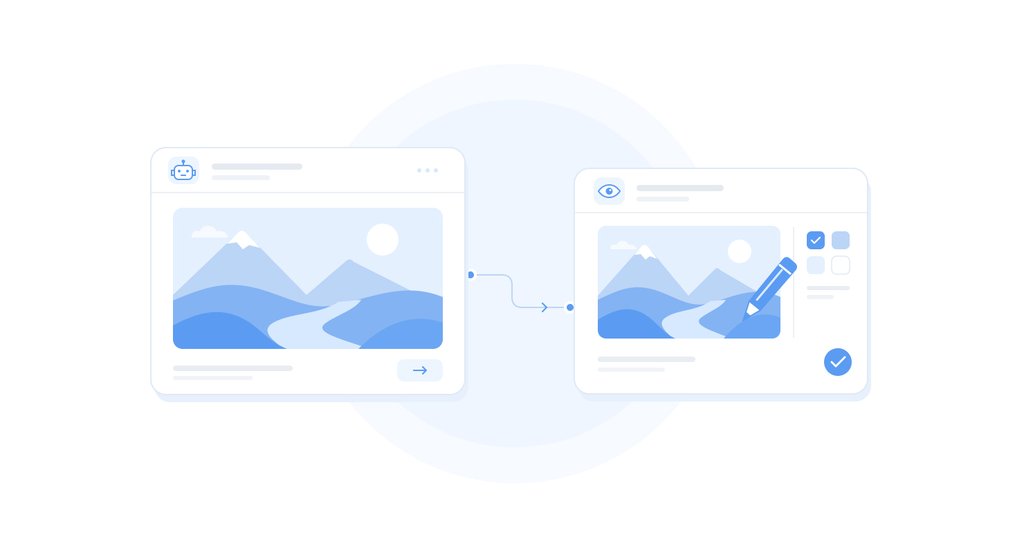
At Bop Design, we use AI to adjust lighting, improve the resolution of client-provided photos, extend backgrounds for wider crops, and make selective color adjustments to appropriately licensed photography. Our experienced designers then compare edited images with the originals to check that important details remain accurate.
This expert review matters for B2B companies. A polished image can still misrepresent a product, alter a piece of equipment, or introduce details that undermine credibility. Designers must evaluate whether an asset accurately represents the business and fits the brand, along with checking its visual quality.
As AI tools become more accessible, human review is critical to the creative process. Someone who understands your brand and products must approve each final asset.
Design should make your business stand out
When companies use similar AI tools and website templates, websites start to look alike. For 2027, we expect more emphasis on design choices that make a business stand out in a crowded market.
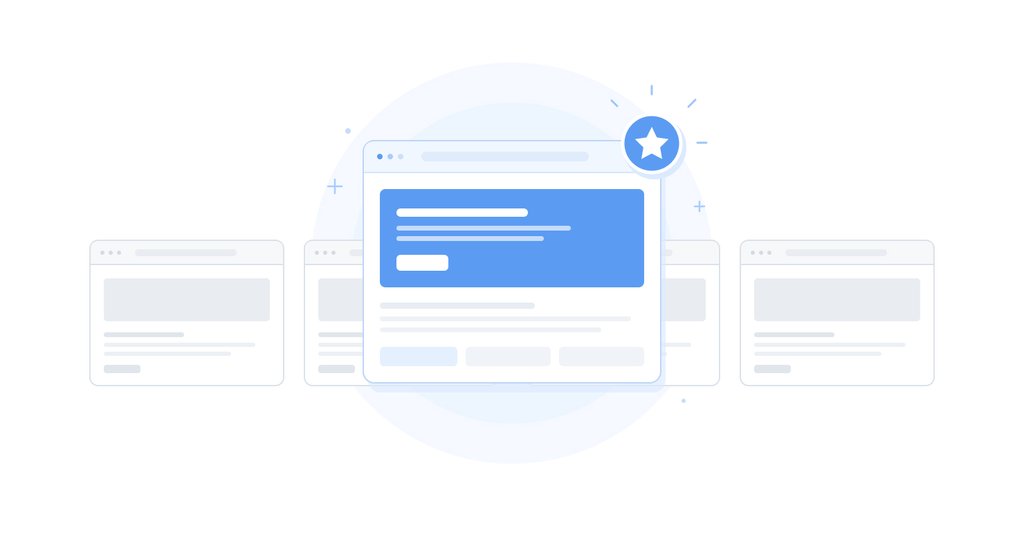
Typography, color, layout, illustration, and photography should work together to express something specific about your company. For example, a consulting firm might highlight its unique value proposition through editorial typography, executive portraits, and case-study layouts.
Similarly, original photography can show buyers the people, facilities, or processes behind a service. A manufacturer, for instance, might showcase crisp product photos and easy-to-read technical diagrams.
With a smaller budget, even thoughtful font selection and a consistent approach to imagery and layout can still give your website a recognizable and unique identity.
Accessibility supports a better buyer experience
Accessibility should guide the design from the beginning. Readable text, clear contrast, easy navigation, simple keyboard access, and forms all contribute to a website more people can use.
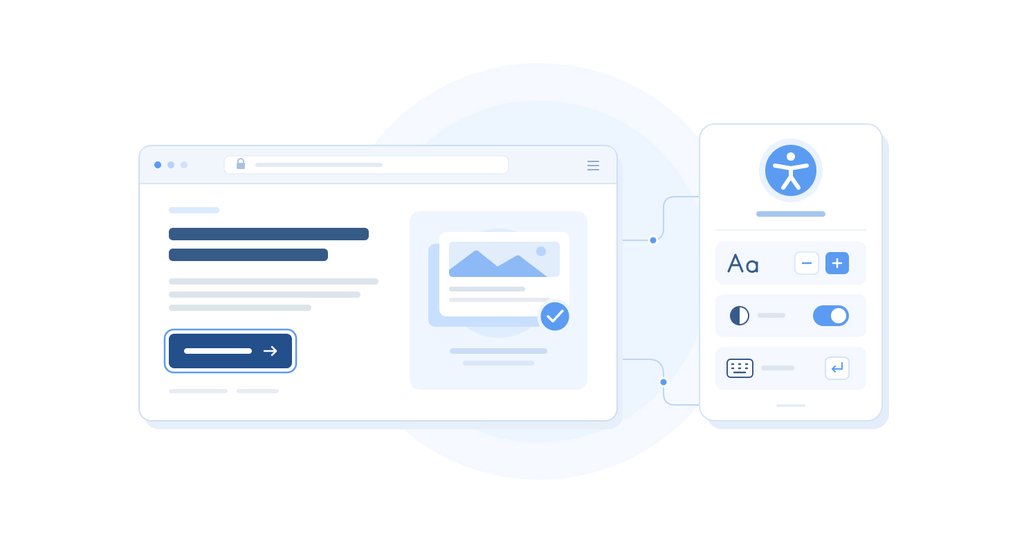
Clear headings, descriptive links, and properly labeled buttons also make a website’s structure easier for accessibility software to interpret. That can be useful as AI tools interact with websites, but it does not replace accessibility testing or guarantee visibility in AI search. Start with practical buyer tasks. Can someone compare services, read a case study, and submit an inquiry on a phone or using a keyboard alone? Test these scenarios as part of the design process.
What to prioritize for design
- Review AI-assisted assets for accuracy and brand fit before publishing.
- Build a distinctive visual direction around your business, audience, and expertise.
- Include accessibility in design reviews and test essential buyer journeys.
B2B website content trends for 2027
Content answers deeper buyer questions
AI search allows people to ask detailed questions and explore follow-up topics. We expect this to reinforce the value of website content that addresses real buyer questions.
A prospective client researching a solution may want to know what setup involves, what affects the cost, what internal resources are needed, or when another approach would make more sense. Your website can answer these types of questions before a buyer initiates contact with your sales team.
FAQs are useful, but important answers also belong within service descriptions, comparison sections, and explanations of your process. Put information where it helps the buyer understand your product or solution.
Sales conversations are a useful starting point for creating valuable content. Ask your sales team which questions come up repeatedly, where prospects misunderstand your services, and what concerns slow the decision-making process. Use those insights to refine and add content to strengthen the pages prospects regularly visit.
Read more: How buyers find you through AI discovery.
Specific evidence builds trust
As AI makes it easier to produce general explanations, a company’s expertise becomes more valuable.
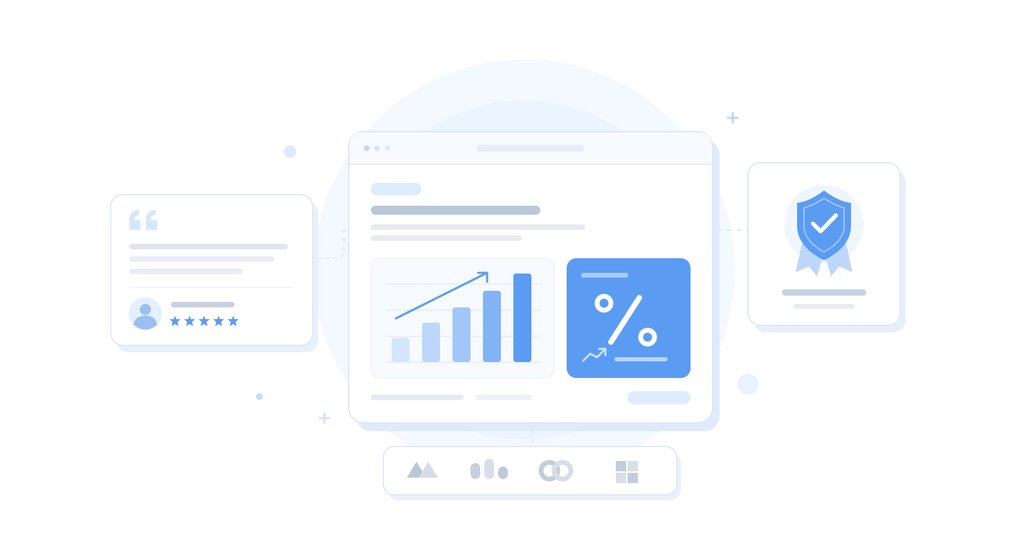
A case study should explain the customer’s problem, the decisions your team made, and the outcome. For example, a manufacturer could describe why a component kept failing, which design changes addressed the issue, and how the solution improved production. Case studies that showcase verified results build credibility and earn a buyer’s trust.
Create content that includes expert commentary, process details, original research, and practical examples as these help buyers evaluate your products or services. These details show buyers that your company understands their challenge or situation.
Google’s guidance for its AI search features continues to emphasize established SEO practices and helpful, reliable content. While no content approach guarantees an AI citation, sharing original expertise sets a foundation for credibility.
Keywords belong in useful, natural writing
Traditional SEO keyword research remains important. It helps identify the language buyers use when searching for products or services and the topics your website needs to address.
The opportunity now is to translate that research into clear, complete explanations. Use relevant terms in page titles, headings, and body copy, then go more in depth with examples, related questions, and useful context.
A page targeting an industrial equipment category, for instance, can explain applications, selection considerations, operating conditions, and service support options. That gives the reader more context and information than generic, repetitive descriptions.
When reviewing a content piece, ask two questions:
- Can the right prospects find the content?
- Once they arrive, does the content help them decide whether your company is a good fit for their needs?
What to prioritize for content
- Use recurring sales questions to improve service pages and FAQs.
- Add expert insight, specific examples, and verified results.
- Map relevant keywords to pages and write naturally around buyer needs.
B2B web development trends for 2027
Your team needs a website it can update
A website should make routine updates manageable for your marketing team. They should be able to easily edit content, add or update pages, and publish resources without disrupting the overall website design.
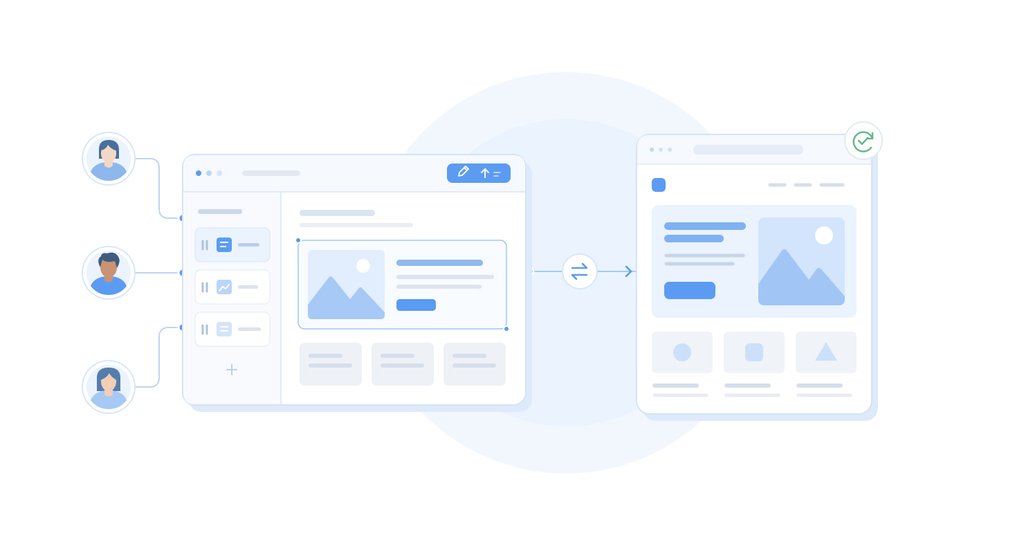
This level of usability needs monitoring and maintenance as software evolves. Updates to WordPress, themes, or plugins can affect editing tools and connections to other platforms, even when the website still looks normal to visitors.
For companies planning a website in 2027, ask how your team will manage it post-launch.
- Which updates will you handle internally?
- Which features need developer support?
- What integrations and system connections are necessary to do business?
Clear responsibilities and practical training help make the website a tool your marketing team can use consistently.
Security and spam protection require planning
Website security needs to be considered during development and maintained on an ongoing basis. Someone must be responsible for managing access, software updates, backups, and security monitoring.
Part of security monitoring requires access control. It’s essential to give each user an individual account with access appropriate to their role. Enable multifactor authentication(MFA), which adds another verification step at login. Remove access when people no longer need it. CISA recommends multifactor authentication and prompt software updates as basic security practices.
Website forms require upkeep and monitoring too. Spam protection, like reCAPTCHA, should reduce unwanted submissions while allowing legitimate prospects to contact your company. Test the complete process, including confirmation messages and delivery to your CRM or the sales inbox. If spam increases or a platform changes its form tools, check the configuration and test again. A form that looks functional on the page may still have problems behind the scenes.
Traffic analytics need context
Automated activity can complicate website traffic analysis. Some automated visitors help search engines discover your content, while others send spam or inflate traffic numbers.
Unexpected changes in traffic sources, visitor behavior, or form submissions warrant investigation. However, it’s important to note that an increase in direct traffic or new visitors does not automatically indicate bot activity. Campaigns and tracking issues can also increase these numbers and should be considered as context when reviewing reports or metrics
Always be sure to review unusual patterns with your marketing and development partners. Regularly check campaign activity, tracking changes, lead quality, and available security data. If traffic rises while qualified inquiries remain flat, investigate before treating the increase as a marketing success. The goal is reporting that helps your team understand which activity contributes to business results.
Ongoing website maintenance is vital
Every new website launches into an environment that keeps changing. AI capabilities advance, software evolves, security threats emerge, and buyer behavior fluctuates. Your website needs a plan for keeping pace with all of these changes.
For successful B2B websites, technical maintenance requires regular software updates, security patching, backups, and compatibility checks. It must include testing essential functions such as editing tools, forms, and integrations. Before making any major changes or site-wide updates, confirm you have an appropriate testing and recovery process in place.
Content needs ongoing support and maintenance as well. Review service descriptions for accuracy, add recent projects and proof points, update outdated information, and build out any essential sales assets. Publish fresh content when it provides something useful for your audience.
For 2027, brands must treat maintenance and content improvement as essential responsibilities that have a clearly assigned owner and budget. This type of proactive planning protects your website investment and keeps it aligned with business goals.
What to prioritize for development
- Confirm who owns software updates, security, backups, and functional testing.
- Investigate unusual traffic patterns and evaluate results using qualified leads.
- Establish a recurring plan for technical maintenance and content updates.
Plan your B2B website for 2027
The strongest direction for 2027 is to use technology thoughtfully while making your business easier to understand and evaluate. Unique, custom design helps communicate what your brand offers. Useful content demonstrates your expertise. Reliable development and ongoing upkeep ensure your website is functional and accessible.
Start by reviewing your website against these three priorities.
- Where do buyers lack the information they need?
- Which experiences create friction?
- What needs attention behind the scenes?
Bop Design helps B2B companies leverage website design, content strategy, and development to achieve their business goals. Contact our team to discuss your current website needs and vision for your B2B website in 2027.