AI was supposed to make us more productive, not less thoughtful. Yet somewhere along the way, businesses have started confusing efficiency with the elimination of human effort, judgment, and respect.
At Bop Design, we receive numerous website inquiries from prospective clients every day. Historically, approximately one out of every 10 inquiries included a formal Request for Proposal (RFP). Most prospects would simply reach out, explain their needs, and initiate a conversation about their B2B website or marketing challenges.
Over the past six months, however, I have noticed a dramatic shift. Today, approximately eight out of every 10 inquiries include an RFP. What initially seemed like a positive development—more organized prospects with clearly defined project requirements—quickly revealed something much more troubling.

Regardless of the industry, company size, or geographic location, these RFPs began looking remarkably similar. They followed nearly identical formats, used the same terminology, and included extensive lists of technical requirements. In some cases, the inquiries weren’t even submitted by an identifiable individual but rather through a generic company email address.
It became increasingly obvious what was happening: AI was being used to generate elaborate RFPs, often with little human thought, review, or consideration behind them.
I believe this is a symptom of a much larger problem. We are entering the age of thoughtless communication.
More content, less thought
Just two or three years ago, the typical RFP we received was two to four pages long. It generally outlined the company’s objectives, project requirements, budget considerations, and desired timeline. It was concise, practical, and provided enough information to begin a meaningful conversation.
Today, we regularly receive RFPs that are 12 pages or longer, filled with extensive technical specifications, detailed functionality requirements, and elaborate evaluation criteria.

On the surface, these documents appear thorough and sophisticated. But appearances can be deceiving.
During discovery calls, I frequently ask prospective clients to clarify specific requirements outlined in their own RFPs. For example, if an RFP specifies a particular level of WCAG accessibility compliance, I might ask why that level was selected or whether the organization has specific regulatory obligations.
The response? Often, blank stares on Zoom.
The marketing team cannot explain the requirement because, in many cases, they didn’t actually develop it. They asked AI to create an RFP and then distributed the resulting document without carefully reviewing or understanding its contents.
Think about the absurdity of this situation.
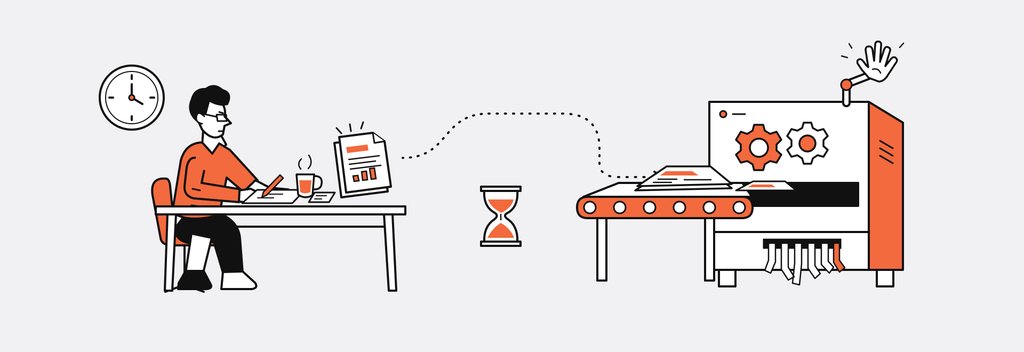
A prospective client spends a few minutes generating a lengthy RFP using AI. They then send that document to several agencies, each of which is expected to invest hours reviewing the requirements, researching the company, developing recommendations, preparing a proposal, and providing thoughtful responses.
One party has invested almost no effort in the communication, while expecting significant time, expertise, and attention from everyone receiving it.
I now spend a considerable portion of my day thoughtfully reviewing documents that, in many instances, were thoughtlessly created.
That isn’t efficiency. It’s simply transferring work and responsibility from one person to another.
When companies stop respecting people’s time
This problem extends far beyond marketing agencies and RFPs.
Recently, I watched an Instagram video depicting a Burger King AI job interview. The candidate was balancing a shoe on his head while demanding a $750,000 salary for a position supposedly paying $4 per hour.
The absurdity was intentional. The interviewee was mocking the increasingly impersonal nature of the hiring process.
While the video was humorous, the underlying message was anything but funny.
Employers expect candidates to arrive prepared, dress professionally, research the company, demonstrate enthusiasm, and thoughtfully answer interview questions. Yet some of these same organizations are increasingly comfortable delegating the interview process to an AI system rather than having an actual human being participate.
Consider the contradiction.
A company expects a candidate to demonstrate respect, professionalism, and genuine interest in the opportunity, but the company doesn’t demonstrate the same respect by dedicating a human employee’s time to the conversation.
What message does that send to prospective employees?
Essentially, we’re telling people that their time, preparation, and effort matter less than the company’s desire to automate another business process.
There is certainly a place for technology in recruiting. AI can help screen applications, coordinate schedules, and organize candidate information. But when technology replaces the human interaction that should be at the heart of an important professional relationship, we have crossed a line.
Efficiency should never become an excuse for treating people as if their time and contributions are disposable.
The nightmare scenario: AI talking to AI
Perhaps the most concerning possibility is where all of this is heading.
Imagine a company deciding it needs a new B2B website. Rather than having its marketing team thoughtfully define its business objectives, challenges, and requirements, it asks AI to generate a comprehensive RFP.
The company then distributes that RFP to 10 agencies.
Those agencies, recognizing that the RFP was likely generated by AI, decide to use their own AI systems to review the document and automatically generate proposals.
The result?
One AI system creates a request, and another AI system responds to it. Neither side necessarily understands or critically evaluates the information being exchanged.
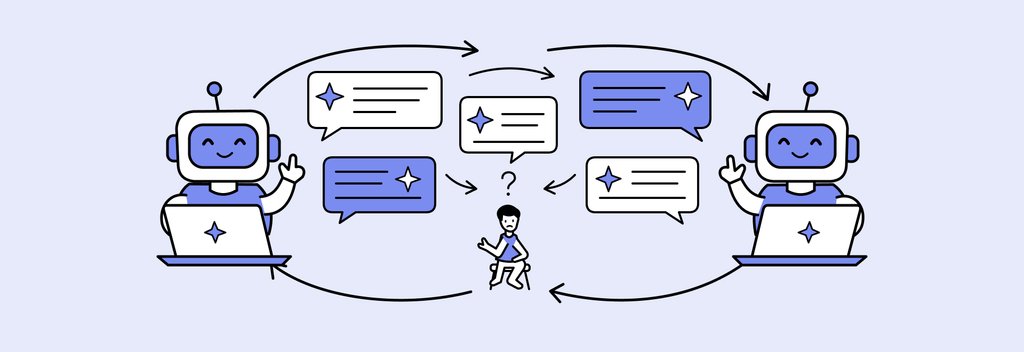
Pages upon pages of polished, professional-sounding content are produced, but very little meaningful communication has actually taken place.
The company receives 10 impressive-looking proposals. The agencies submit 10 impressive-looking responses. Everyone congratulates themselves on how much time they saved.
But what was actually accomplished?
Did anyone truly understand the business challenge? Did the prospective client carefully consider what it needs? Did the agencies develop differentiated recommendations based on their experience and expertise? Did anyone establish the beginnings of a meaningful professional relationship?
Or did we simply create an elaborate exchange of automated content that gives the illusion of productivity?
This is the pinnacle of thoughtless communication: machines generating content for other machines while the humans involved become increasingly disconnected from the actual decisions being made.
And perhaps the greatest irony is that all this automation may ultimately create more work, not less. Someone will eventually have to sort through the misunderstandings, clarify the requirements, correct the assumptions, and deal with the consequences of decisions made without sufficient human judgment.
I warned about this a decade ago
Approximately 10 years ago, I began warning about the dangers of overautomating marketing.
At the time, businesses were enthusiastically adopting marketing automation platforms, automated email sequences, chatbots, and increasingly complex lead-nurturing workflows.
These tools offered tremendous benefits, but I believed companies were overlooking something fundamental: business relationships are built through human interaction.
I argued that organizations that resisted the temptation to automate every customer touchpoint would eventually enjoy a competitive advantage.
Why?
Because simply answering the office phone with a real person, personally responding to an email inquiry, or taking the time to have an authentic conversation would become increasingly rare—and therefore increasingly valuable.

I still believe that.
In fact, I believe the competitive advantage of genuine human interaction is becoming even greater.
AI has taken the automation trend to an entirely different level. We are no longer simply automating repetitive tasks or routine communications. We are beginning to automate the very thinking, preparation, and personal engagement that make professional communication meaningful.
And that should concern all of us.
AI should complement human intelligence, not replace human thought
To be clear, I am not opposed to artificial intelligence.
AI is an extraordinary technology with the potential to improve productivity, accelerate research, streamline operations, and help professionals produce better work.
At Bop Design, we recognize the value of AI and its growing role in marketing, website development, SEO, and business operations.
But there is an important distinction between using AI to enhance your work and using AI to avoid doing the work altogether.
Using AI to help organize an RFP, identify potential requirements, or improve the clarity of a document? Excellent.
Using AI to generate a 12-page RFP that nobody at your company bothers to read or understand before sending it to prospective partners? That’s a problem.
Using AI to help a recruiter coordinate interviews and evaluate relevant qualifications? Perfectly reasonable.
Using AI as a substitute for meaningful human interaction while expecting candidates to invest substantial time and effort in the process? That’s disrespectful.
The issue isn’t the technology itself. It’s the mindset behind how we use it.
AI should be a complement to human intelligence, creativity, judgment, and communication—not a substitute for them.
It should be a means to an end, not the end itself.
Human thoughtfulness will become a competitive advantage
As AI-generated content becomes increasingly common, I believe businesses that prioritize thoughtful, authentic communication will distinguish themselves from their competitors.
The companies that take the time to understand their challenges before requesting proposals will attract better partners and receive more relevant recommendations.
The employers that treat job candidates with genuine respect will create a stronger impression and be better positioned to attract talented professionals.
The agencies that ask intelligent questions, challenge assumptions, and develop meaningful relationships will provide something an automated proposal generator cannot replicate: genuine human judgment and accountability.
And the organizations that make it easy to speak with a knowledgeable, engaged human being will stand out in a marketplace increasingly dominated by automated interactions.

The future competitive advantage may not belong to the company that automates the most communication. It may belong to the company that communicates the most thoughtfully.
A simple request: start respecting human professionals again
We need to reconsider what we mean by productivity.
Producing more content doesn’t necessarily mean producing better content. Sending more communications doesn’t mean building stronger relationships. And automating an interaction doesn’t automatically make that interaction more valuable.
Before sending an AI-generated RFP, read it. Understand it. Make sure the requirements reflect your actual business needs.
Before automating an interview, consider whether you would appreciate being on the receiving end of that experience.
Before using AI to generate your next email, proposal, or business communication, ask yourself whether the technology is helping you communicate more effectively or simply allowing you to avoid thinking.
Because behind every RFP, proposal, job application, and business inquiry is a real person whose time deserves respect.
We should be using AI to make ourselves better professionals, not to excuse ourselves from being thoughtful ones.
The age of artificial intelligence should not become the age of thoughtless communication.
We can embrace technological progress without abandoning professional courtesy, personal accountability, and genuine human connection.
It’s time to stop confusing automation with thoughtfulness—and start respecting human professionals again.