

Impactful B2B marketing for technology companies
Emphasize important features and capabilities
In general, B2B buyers aren’t looking for flowery descriptions or long-winded explanations. Instead, make your product the star of the show with direct language and captivating elements that highlight impactful features like usability, automations, security, and more.

Differentiate from the competition
The B2B tech landscape is constantly evolving, and there are more players in the marketplace than ever before. A well-designed website should feature effective B2B tech marketing techniques that position your brand as an industry leader – or the disruptor they’ve been looking for.

Challenge the status quo
Inertia is a top reason why buyers walk away from purchasing new B2B technology. Your website should directly address the challenges of existing processes and highlight the reasons why making a change is worth the time, effort, and investment.

Establish trust and credibility
B2B technology products can be expensive, difficult to implement, and force significant changes to existing workflows. Using case studies, testimonials, and other thought leadership content, you can overcome these buyer fears and highlight the ROI of your product and process.

Inspire buyers to take the next step
The B2B technology buying process is notoriously long, but your website can help move decision-makers along. While conversion rate optimization encourages buyers to take action, compelling content can illustrate key benefits at every stage of the buying journey.

Showcase the people behind the product
It’s no secret that both consumers and business buyers make purchasing decisions based, in large part, on emotion. By highlighting your company’s mission, culture, and team members, you can connect with buyers on a deeper level and build a foundation for long-term partnerships.

B2B tech marketing from industry experts

We’re B2B-focused
We’ve been working exclusively with B2B brands for more than a decade to deliver proven, effective B2B marketing solutions.
We’re serious about lead generation
Our websites aren’t just beautiful – they’re lead generation machines that deliver high-quality prospects to your sales specialists.
We don’t do cookie-cutter
Every project we work on is completely custom, from tailored web design to personalized content marketing and SEO.
We’re proudly boutique
Our tight-knit team of seasoned professionals delivers world-class solutions with a personal touch that you won’t get anywhere else.
We use a holistic approach
Our integration eliminates silos because copywriting, web development, and other B2B tech marketing strategies work best together.
We’re WordPress specialists
WordPress websites are our bread and butter, so you can rest assured your B2B technology web design project is in expert hands.

Featured work for B2B marketing for technology companies
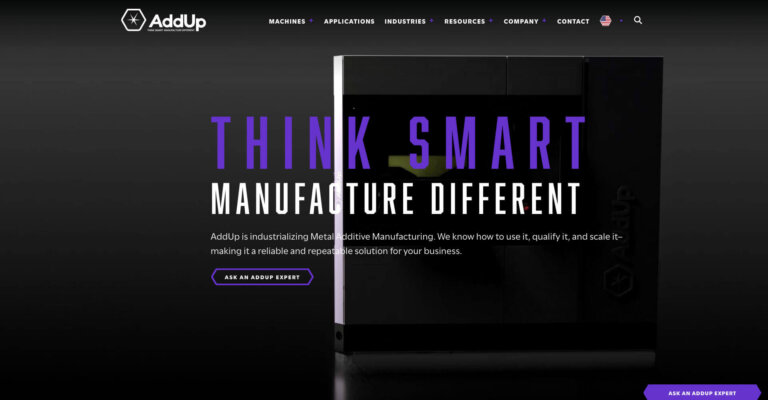

AddUp
Engineering | Industrial | TechnologyAddUp, a global manufacturer, sought a full custom redesign of their website. We addressed AddUp’s challenges through a multifaceted approach.
Learn More Read case study about AddUp+57.8%
Overall Users
+58.7%
New Users
+59.67%
Total Sessions
+61%
Organic Search Sessions
+105%
Direct Search Sessions
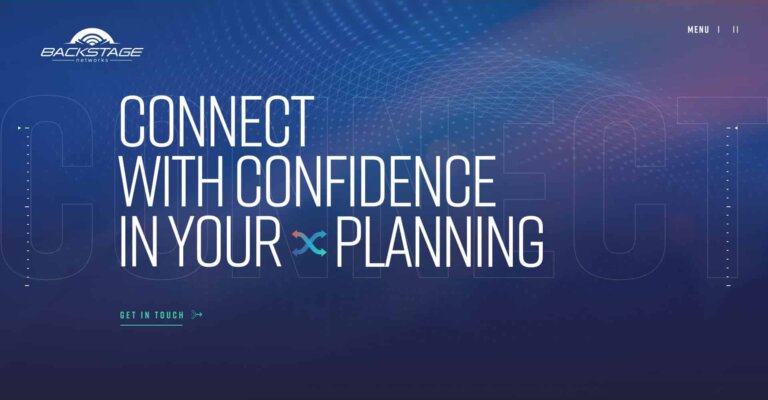

Backstage Networks
TechnologyRedesigned B2B web design creates wow-worthy results for event managed IT services provider. See results.
Learn More Read case study about Backstage Networks+47.01%
Sessions
+67.87%
Users
+2.4%
Engagement Rate
+212.53%
Organic Search Sessions
+318.45%
Organic Search Users


Outcome Security
TechnologyDiscover how Bop Design transformed Outcome Security's B2B strategy. In-depth case study on our innovative marketing and web design solutions.
Learn More Read case study about Outcome Security+9.09%
Sessions
+7.38%
New Users
–17.15%
Bounce Rate
1.84
Pages / Session
1:06min
Avg. Session Duration
How to Increase Revenue with a B2B Content Strategy
Content marketing is not merely blogging for blogging’s sake. It’s a proven way to increase brand awareness, attract the right traffic to your website, build up authority in your industry, generate new leads, and nurture existing leads.

Guide to Preparing for a B2B Re-Brand & Logo Design
To stand out from the competition in a crowded global marketplace, building a strong brand is crucial for success in the B2B realm.
Inbound Lead Generation + Management Guide
In this guide, we share effective tips to create a well-crafted strategy to build rapport with leads.


B2B tech marketing FAQs
What to include in a B2B technology website
Product and service pages
It may sound obvious, but pages that showcase your products and services lay the foundation for optimal B2B website performance. Aside from your homepage, these will likely be the most-visited pages on your website, so they need to give potential buyers all the information they need to convert. Make sure these pages explain the features, benefits, and specifications of your products and services, and feature strategically placed CTAs to drive lead generation.

Applications and use cases
A list of features and capabilities isn’t enough in today’s technology landscape. Potential customers need to understand how your products can work for them – the problems they can help solve and the benefits they can produce. Get specific, especially on industry pages, by speaking to distinct challenges that your product addresses.

Industry pages
Technology is rarely one-size-fits-all, and B2B buyers expect you to understand their unique obstacles and needs. Industry pages give you space to address a particular group of buyers directly and showcase your understanding. They can also help you connect with stakeholders who may not be familiar with technical jargon but appreciate seeing how your brand can help improve productivity, reduce waste, or increase profits.

Integrations and processes
Most of your buyers are trying to reduce complexity in their own processes. Therefore, it’s important to make sure your website specifies how your products fit into a larger technology ecosystem. This could mean creating integration or partner network pages, or noting product specifications and compatibilities with other commonly used technologies. To go further, you can highlight how your product’s integration capabilities differ from or are superior to the competition.

Resources and case studies
This is the first-party content that supports all of your marketing claims. Case studies allow you to share stories that buyers identify with, and results that foster trust in your product. A well-thought-out resource center positions your brand as a leader through a variety of educational, trending, and thought leadership content. Both can nurture leads throughout the buying process, helping to shorten the sales cycle.

Company pages
We’ve said it before, and we’ll say it again: who you are matters. Even the best products can be overlooked if buyers don’t feel a personal connection with your brand. After all, technology purchases are huge investments for many companies, and they’re far more likely to choose your brand if they trust the people behind the tech.

Demo CTAs
Your website is often the first place B2B buyers visit when exploring technology solutions. But website traffic only matters if it delivers solid leads your sales team can follow up with. Calls to action give site visitors an easy way to ask questions, get more information about your products, or schedule a consultation or demonstration. CTAs should appear on all key web pages, stand out visually, and include compelling copy for the best performance.

Engaging visual elements
The B2B buying process often involves a number of different stakeholders, and not all of them share the technical know-how to understand your product right off the bat. Visual elements like photos, graphics, and videos play a key role in explaining how your products work, where/how they can be applied, and the benefits they offer.
Superior UI/UX
Even if your products have nothing to do with the digital landscape, a bad web user experience can create distrust in your brand’s capabilities. Your website should feature the latest UI/UX innovations to reflect your company’s cutting-edge innovations while facilitating a seamless buying experience. UX spans a wide range of website elements, so it’s important to select a web design agency that guides you on UI/UX best practices throughout your project.
Consistent branding
The visual and messaging elements of your website should match those of your other marketing materials, social media presence, and products themselves. Make sure your website is developed using the correct brand elements, such as your color palette, typography, and visual styles. If you don’t have a brand style guide, this is your sign to create one!
Interactive elements
Images and videos are a great first step to showing off your products. Interactive elements can take your website to the next level by actively responding to visitors and keeping them focused on important content. Interactive elements include everything from responsive maps to flow charts, to 3D interactive models of your technology, and more.
Thoughtful CTAs
The most important thing your website can do is generate high-quality leads. When a buyer is ready to take the next step, CTAs allow them to reach out. Make sure your CTAs are direct, specific about the proposed action, and are easy to find on each page.

B2B technology lead management
Test website forms
Well-built forms should always be in working order, but sometimes another change to your website’s code can cause them to break down. If that happens, you might have lead forms that don’t work and frustrate your prospects, or those forms might be leading exactly nowhere. Testing your lead forms on a regular basis and after any significant website update ensures your sales team receives every lead.
Look at your SPAM
If your email application doesn’t recognize incoming leads from your web forms, they could be ending up in your SPAM folder. Look at your junk folder frequently to make sure nothing has been trashed by accident. If you see leads in your SPAM folder, work with your IT department to designate incoming leads as “safe” so they are directed to your inbox.
Respond within a day
It’s a cliche, but it’s true: the early bird often gets the worm. Or rather, the responsive technology vendor gets the B2B customer. Ideally, your team would respond to every new inquiry within an hour of receipt, but we know that isn’t always possible. To keep potential customers engaged, we recommend responding to incoming leads within one business day.
Nurture leads over time
Not every lead turns into an immediate sale – especially in the B2B technology space. It can take many interactions over weeks or months to take a lead from website form fill out to purchase, which means that it’s critical to keep the conversation going. Send emails or physical mail, or check in via phone periodically to continually strengthen your relationship and improve sales outcomes.
Share valuable content
Every email you send is an opportunity to show your expertise to potential customers. Make sure to include key content in your email nurture campaigns, such as blog articles, use cases, case studies, or third-party references. You can also track interactions with your content from emails to see which customers are most engaged.
Offer incentives
Sometimes, all a potential customer needs is a little encouragement to seal the deal. You might offer a discounted price on your product, or premium features at no extra cost. Keep in mind, you’ll want to make these deals time-sensitive to persuade leads to take action more quickly.
The B2B technology space is only getting more competitive. By combining effective web design with proven lead management methods, you can increase both the number of leads you receive, and their close rates.

Web design resources for technology brands

Tips to optimize your B2B website for AIO and GEO

Build trust and win sales with authentic B2B reviews

CRO 101: Best practices to make your B2B website perform better

SEO, GEO… What’s the difference and why does it matter for B2B brands?

The top B2B website designs of 2025

Marketing budget planning: What channels provide the best ROI?
B2B web design trends paving the way in 2026

10 red flags it’s time for a new B2B website

B2B web design for mobile-first indexing

Enhance your B2B website UX with micro-interactions

A quick guide to keep your WordPress website secure

5 strategies for celebrating company milestones

Start a conversation with us
Tell us about your company, products, and web design needs. We can’t wait to hear from you.