B2B website design services
Effective web design is crucial to any B2B marketing strategy. A compelling B2B website design and disciplined content marketing plan help nurture a lead from a general inquiry to a specific opportunity to a committed relationship. Not only does it allow a visitor to navigate your website intuitively and quickly—finding information in the least number of clicks—it encourages visitors to convert into valuable leads. Find out what Bop Design can do for your company, contact us to schedule a B2B web design consultation today.
What is B2B web design?
Effective B2B web design is a polished, custom digital platform that integrates your company’s branding and messaging to appeal to your ideal buyer. Business-to-business (or B2B) website design varies from B2C in that it often must appeal to a variety of decision-makers across levels of leadership and vastly different needs.
B2B website design trends for 2026
Marketers love to say that the only constant in marketing is change. In some ways, that’s true. For example, in 2025, we’ve seen massive changes in the use of AI across search engines, web development, social media, and analytics tools. Meanwhile, branding, which was once considered a fluffy marketing buzzword, is taking center stage.
But luckily, not everything is changing. A few B2B web design strategies continue to form the foundation for success. Visually compelling websites with engaging content continue to outperform the competition. Content that focuses on specific buyer personas can still increase conversion rates. And data and analytics are still the best tools in every brand’s arsenal.
To help you focus on the right B2B website strategies in 2026, we’ve broken down key trends and tips into four areas: design and development, content and SEO, compliance and legal concerns, and success measurement.
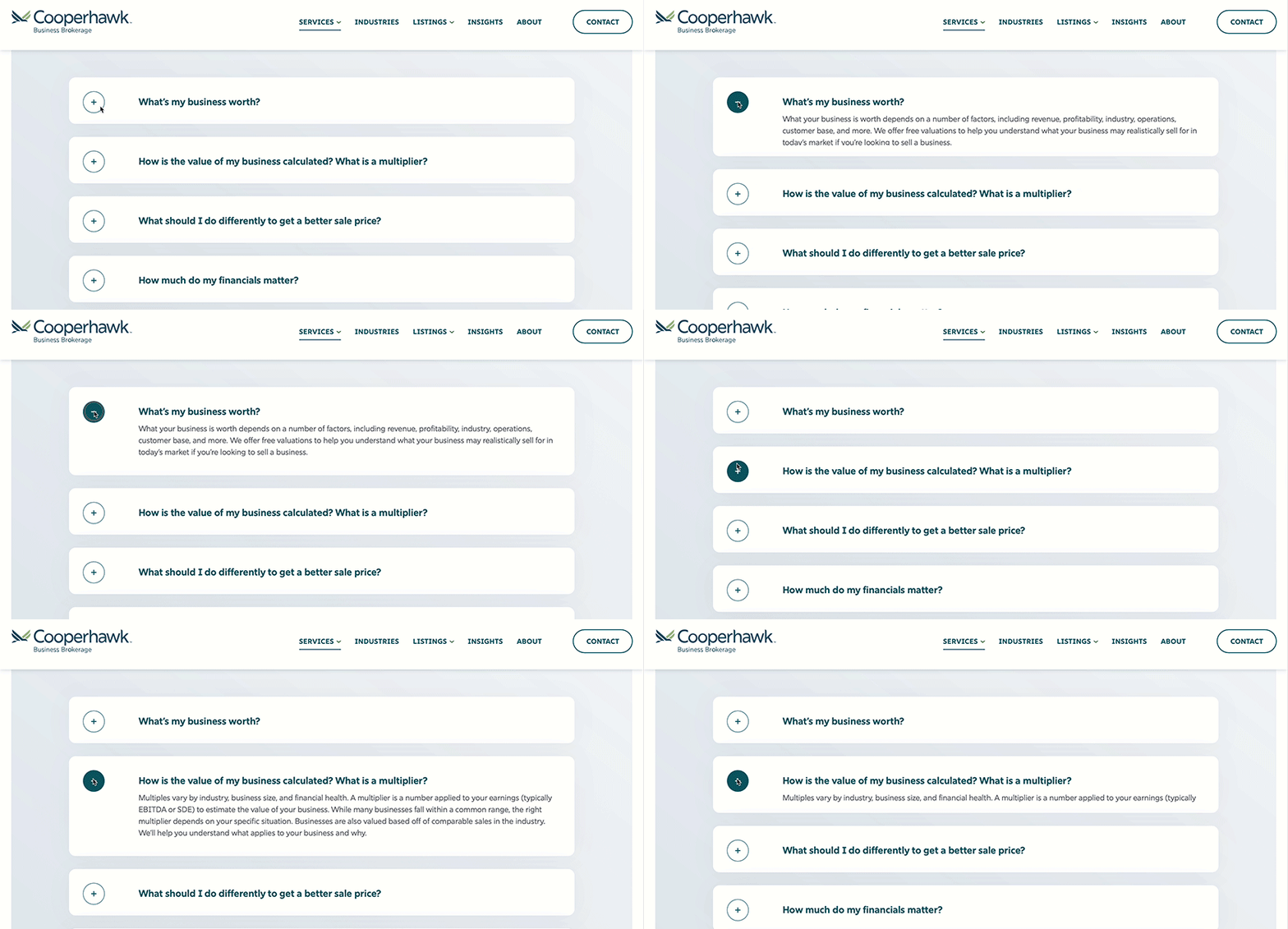
Getting B2B buyers to your website is one thing, but keeping them there is quite another. In 2026, we’ll see successful B2B brands focus on website elements that keep visitors actively engaged with content.
Scrollytelling
Scrollytelling uses cohesive copywriting to tell users a story as they scroll down a page. Using a tight message framework, scrollytelling funnels visitors towards important information and encourages them to engage with CTAs. The content may be accompanied by animations like float-in images and text that types itself into view, which are visually appealing and prevent users from skimming key points. You can also pair your story with parallax or horizontal scrolling animations that are proven to reduce bounce rates.
Micro-interactions
Another engagement-boosting B2B web design tip is to incorporate micro-interactions. Micro-interactions are small, functional animations that enhance the overall user experience. They provide instant feedback for user actions – like animating buttons when clicked, displaying subtle confirmation messages, or showing loading progress. These small design details make digital interactions feel smoother and more natural, guiding users through tasks with less friction and more confidence.
AI has enhanced micro-interactions by enabling real-time personalization. Websites can now adapt interactions based on user behavior, such as showing smart tooltips when someone hesitates, or offering predictive form suggestions. Personalized greetings, adaptive UI elements, and behavior-triggered animations help create a more engaging and user-specific experience that feels both helpful and, ironically, human.
Clean, flexible, back-end design
Website visitors probably aren’t thinking about the back-end and CMS work that go into creating a well-functioning website, but your team should be. A clean, well-developed design system ensures your website looks consistent and maintains the brand’s integrity. Ideally, your internal team should be able to update pages, add new content, and make basic design changes without needing developer assistance.
Important: This doesn’t mean choosing a “drag and drop” CMS at the expense of important B2B capabilities. Rather, it means combining a scalable, user-friendly CMS like WordPress with page builders like Elementor to gain design control and support complex B2B marketing tech stack integration.

Yep, SEO is still alive and content is still king! So what’s changing? Well, SEO has some new AI-powered friends you’ll need to pay attention to, and credible content that caters directly to the user journey is now table stakes.
SEO, AEO, and GEO
We love a good acronym, and SEO is now joined by Answer Engine Optimization (AEO) and Generative Engine Optimization (GEO). AEO focuses on creating content that can be used in featured snippets, AI overviews, and by voice search tools like Google and Siri. GEO is similar, but focuses on creating content that generative AI platforms like ChatGPT, Perplexity, and Microsoft Copilot will want to use as sources.
SEO is still important, but AI tools are eroding organic clicks by providing answers directly on the SERPs or in chats. In fact, many searches are now considered zero-click, meaning a user gets what they need from the AI overview or voice search tool. So, while ranking well on Google remains a key goal, you’ll also want to focus on creating content that can be easily accessed, understood, and used by AI engines. You can do so by:
- Including structured data that tells AI engines what the page is about.
- Providing clear, authoritative answers to content-related queries.
- Structuring content into easily digestible information like bullet points, charts, blog summaries, and FAQs.
- Using semantic content to build authority around a topic and increase the chance of citation.
Website searchability
The goal of a successful website is to meet users wherever they are in their online buying journey. Having a structured content strategy and well-designed navigation helps visitors stay on your site longer, find what they are looking for, and become more knowledgeable by the time they become a lead. This isn’t a new idea, but it’s something teams should expand on and refine in the coming year.
In 2026, we’ll see B2B websites optimize navigation to easily allow visitors to find information based on solutions, services, products, use cases, industry, region, and even their role. At Bop Design, we are also developing content and adjusting navigation based on competitor pages. Breadcrumbs and internal linking continue to play an important role, guiding visitors to related content that nudges them to take action.
Credibility and trust building
AI usage may be going up, but so is buyer skepticism – especially in the B2B industry. That means it’s especially important to create accessible, transparent, and credibility-supporting content across your website.
What is credibility-supporting content? It’s provable, qualitative, and quantitative data that increases visitor confidence in your marketing claims. Examples include customer testimonials, case studies, certification badges, and even ratings from third-party review websites. Internal data, such as the number of customers, turnover rates, and ESG targets and progress numbers, also build trust.

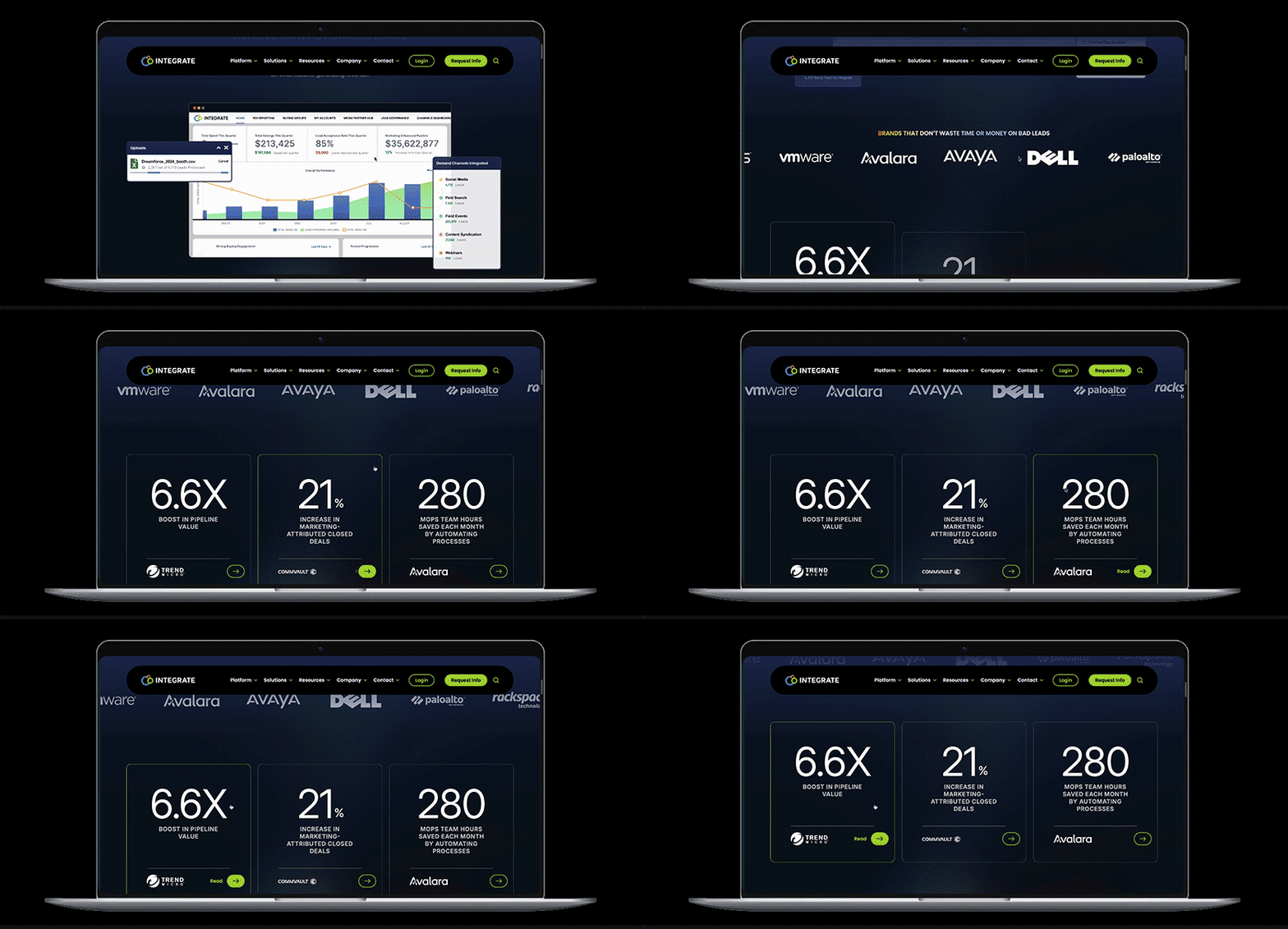
Bop Design client, Integrate, saw this trend growing and took action early, asking us to upgrade its website to reflect the platform’s sophistication and attract enterprise-level leads. Our work included creating clear, clean messaging, updating navigation, and separating software and services-oriented content. We also replaced generic stock imagery with custom graphics and animations, along with visual representations of the software designed to showcase its user-friendly interface. Over the course of six months, Integrate saw an 18% increase in organic search traffic and a dramatic 119% increase in engaged sessions per user.

With growing public awareness and stricter regulations around data use, building trust through transparent, user-centric digital experiences is essential. A well-designed B2B website combines privacy and legal compliance with accessibility to meet a wide range of visitor expectations.
Privacy-first design
Ethical and privacy-first website design centers on user rights and well-being by ensuring transparency, consent, and data protection throughout the digital experience. It avoids manipulative practices, limits data collection to what’s necessary, and clearly explains how information is used.
Make sure that your website features clear data usage consent options, and adheres to any cookie compliance requirements in the user’s region. Display any certifications your website and software have earned for security and data protection. With laws around data privacy becoming increasingly complex, it’s also essential to include a policy page that clearly lays out your process for data collection and usage. Prioritizing ethics and privacy not only respects users — it also builds long-term brand loyalty in a privacy-conscious world.
User accessibility
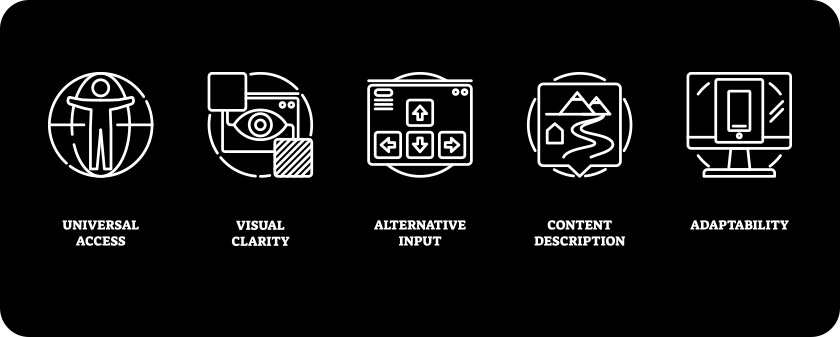
From a buyer perspective, accessible design elements show that your brand meets users where they are and respects their needs. From an SEO and GEO point of view, accessible design makes it easier for search engines to understand your website’s content. It’s a true win-win.
To ensure your website is accessible, make sure all images have alternative text, that background and foreground colors meet an appropriate contrast ratio, and that buttons and text are easily discernable. If your website features video elements, add captions or transcripts where possible. For more information and full guidelines, visit the W3C website.
Legally sourced images
We know this one sounds obvious, but AI-generated images are leading to plenty of legal questions around image ownership and usage. Is an AI image based on a similar artist rendering plagiarized? Should the original artist get credit, or the AI platform? Which images are public domain, and which require licensing? Get the answer wrong and you might be on the receiving end of fines or other legal actions.
To protect your business, we recommend using only licensed stock photography – paid subscriptions from reputable providers (e.g., Shutterstock, Getty, Adobe Stock). These vendors ensure your team has access to legally cleared, high-quality images that cover most business uses. Plus, subscriptions often include indemnification if disputes arise.
On the flip side, avoid using random online images. Don’t pull photos from Google Images or social media without explicit permission from the creator. Always verify usage rights before publishing. Be cautious with AI image tools – while they offer convenience, ownership rights and training data sources are still legally murky. Only use AI images if the provider offers clear commercial licenses and indemnification, and keep documentation of the terms.

Sifting buyer behaviors and technology changes are making it difficult for B2B marketing teams to identify the right key performance indicators (KPIs). SEOs argue about whether impressions matter when AI overviews often result in zero clicks. Email marketing managers struggle with open rates and click rates that accidentally include bot traffic as email providers try to pre-emptively sift through promotional content. Social media follower counts mean little without engagement, and that engagement can take many different forms.
Luckily, data from your B2B website still holds its value. To understand your website’s performance and make important strategic decisions, pay attention to the KPIs that most directly impact your sales success. A properly designed website that’s integrated with marketing and analytics tools should be able to provide important data like:
- Incoming traffic: Buyers from different channels (social media, organic search, AI referrals, etc.) may visit, engage with, and convert on your website at different rates. This information can help you adjust marketing efforts to focus on the most effective channels.
- Form fillouts/conversions: This data shows where visitors on your website are interacting with forms, and which forms are getting the most attention. Use this data for conversion rate optimization projects.
- MQL-to-SQL rate: Not every form submission is a good fit for your business– some aren’t even real people. The number of digital leads that become sales-qualified leads can help you make changes to identify and capture more of your ideal potential buyers.
- Pageviews and user journeys: Understanding which pages bring in the most traffic, hold visitor attention the longest, or lead people deeper into your website can help you identify impactful content.
- Keyword positions: Higher page rankings on search engines directly correlate with increased website traffic, especially those on Page 1 and in the top five. Additionally, the same tactics that help your content rank for target keywords can also make your website a top source for AI platforms.
- Core Web Vitals: A known Google ranking signal, Core Web Vitals measure user data over a 28-day period to understand website performance and its impact on user behavior. Using this information, you can optimize your website’s page load speed, interactivity, and visual stability to reduce user frustration and bounce rates.
Your B2B marketing team may spend tons of time and money keeping your website up to date, but unless you have streamlined reporting that gets reviewed on a regular basis, you may be focusing on the wrong areas. Defining your KPIs can be different for each company depending on your goals, and it can be easy to become overwhelmed with so many data points. We recommend picking out your top three KPIs to help keep your team focused and encourage regular progress.

7 B2B website design best practices
Web design is such an exciting industry to be a part of, especially when you get to see innovative, lovely designs. While there are a vast amount of beautiful, functional websites, there are also a ton of ugly, overdone, useless websites.
Based on our experience, we’ve compiled a list of the best B2B web design practices to ensure web designers are creating functional, useful websites.
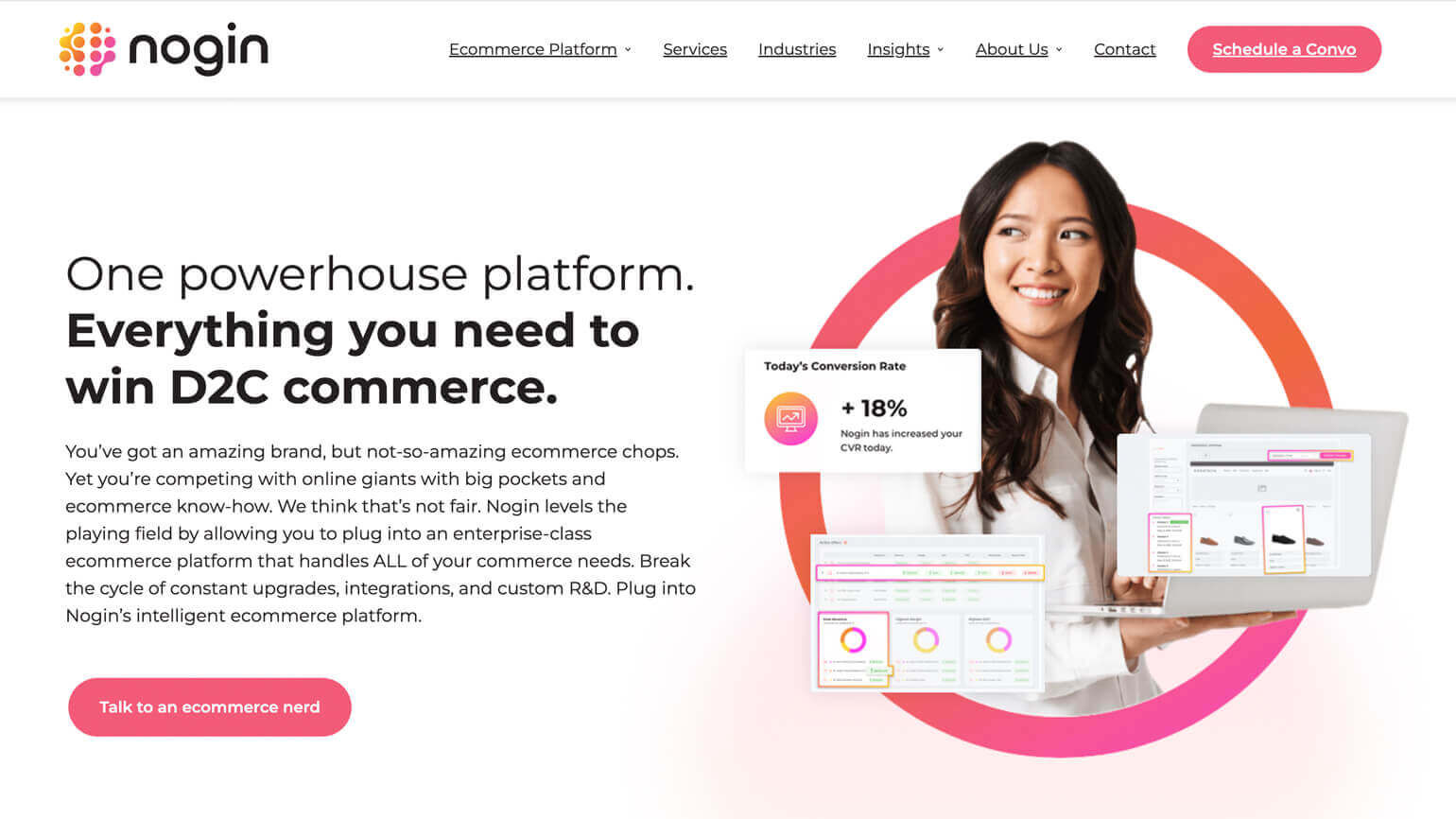
It can be easy to get caught up in the concept of a website and forget about the end-user. A successful website isn’t just a lovely visual piece, it’s a portal for attracting your target audience and giving them the information they need to decide if they want to become a new client.
Before we start a new B2B web design, we get the low-down on the target audience.
- Do they know the company’s brand or services?
- Are there several different target markets?
- What makes them the same or different?
- What do they care about?
A common mistake we see designers make is focusing on the target audience at the beginning and then forgetting about them at the end of the design phase. Always keep your target audience front and center, even when making changes to the design, layout, and images.

(The Nogin website directly addresses the target market with strong, direct headlines while also pairing visuals of their platform and services.)
Website design that lacks consistent branding is stressful and confusing. Everyone has a friend or family member who is unpredictable. You never know what they are going to say/do/wear and they are stressful to be around. Unfortunately, there are quite a few brand websites out there that are like this unpredictable person. It’s difficult to tell what their brand colors are, what their logo looks like, how they are positioning themselves, and what their value proposition is all about.
A best practice in B2B website design is to keep the branding consistent throughout the entire site. Only use the predetermined brand colors, logos, and messaging on every single page of the website. This applies to images, iconography, typography, and videos as well. A brand’s story should be evident and supported in the design.

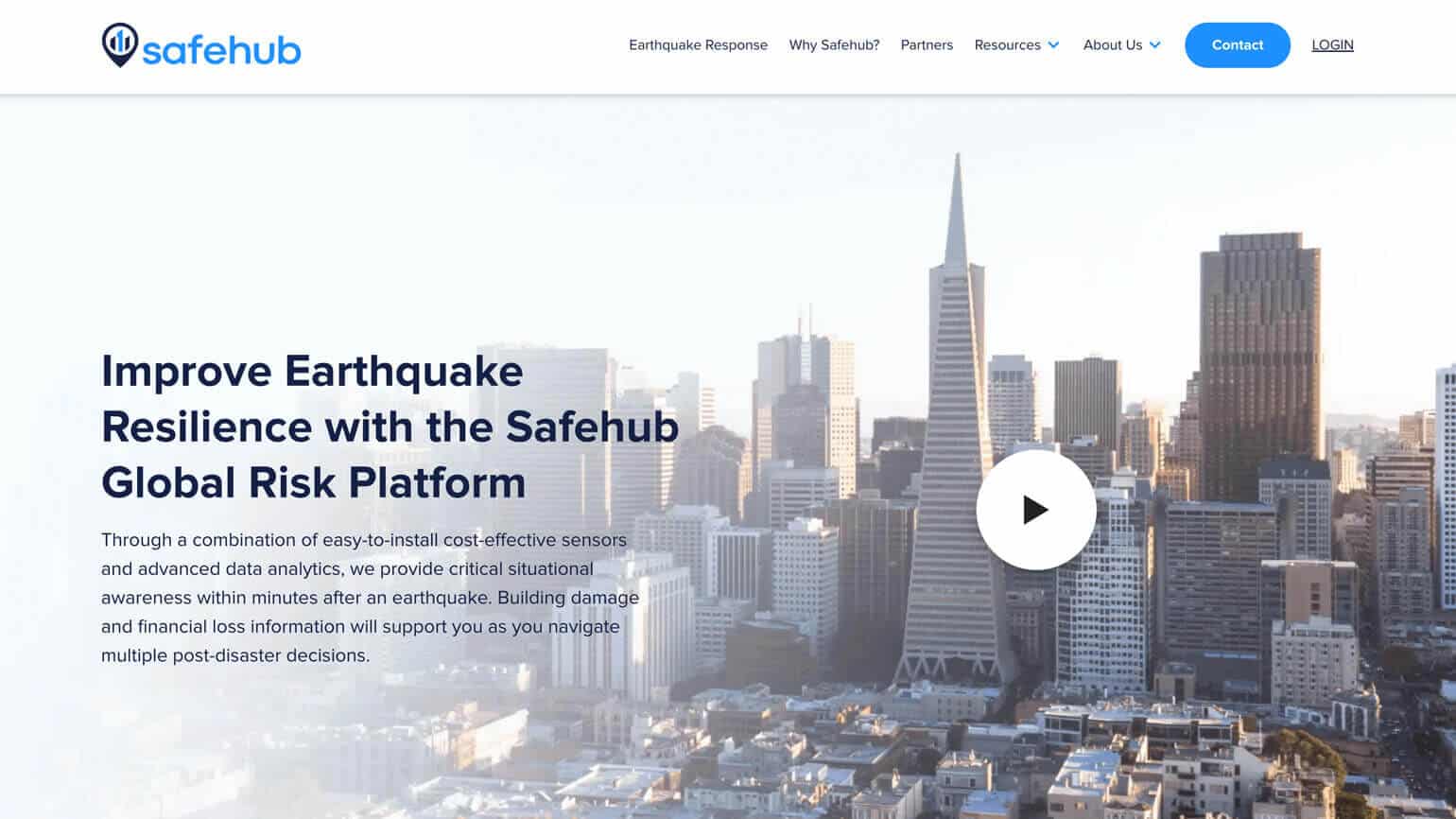
(Safehub has a clean, tech-driven look and tone which is consistent throughout the website.)
Flashy, complicated websites typically deliver a poor experience and end up being visually noisy. Effective websites often have simplified layouts that are easy to navigate and enable each design element to shine. As experienced B2B web designers, we understand that a website typically has to accomplish a lot and host a great deal of information – which can be done in a clean, focused and ultimately simplified manner. If too many design elements are competing on a website, none of them will do their job (engage the user).

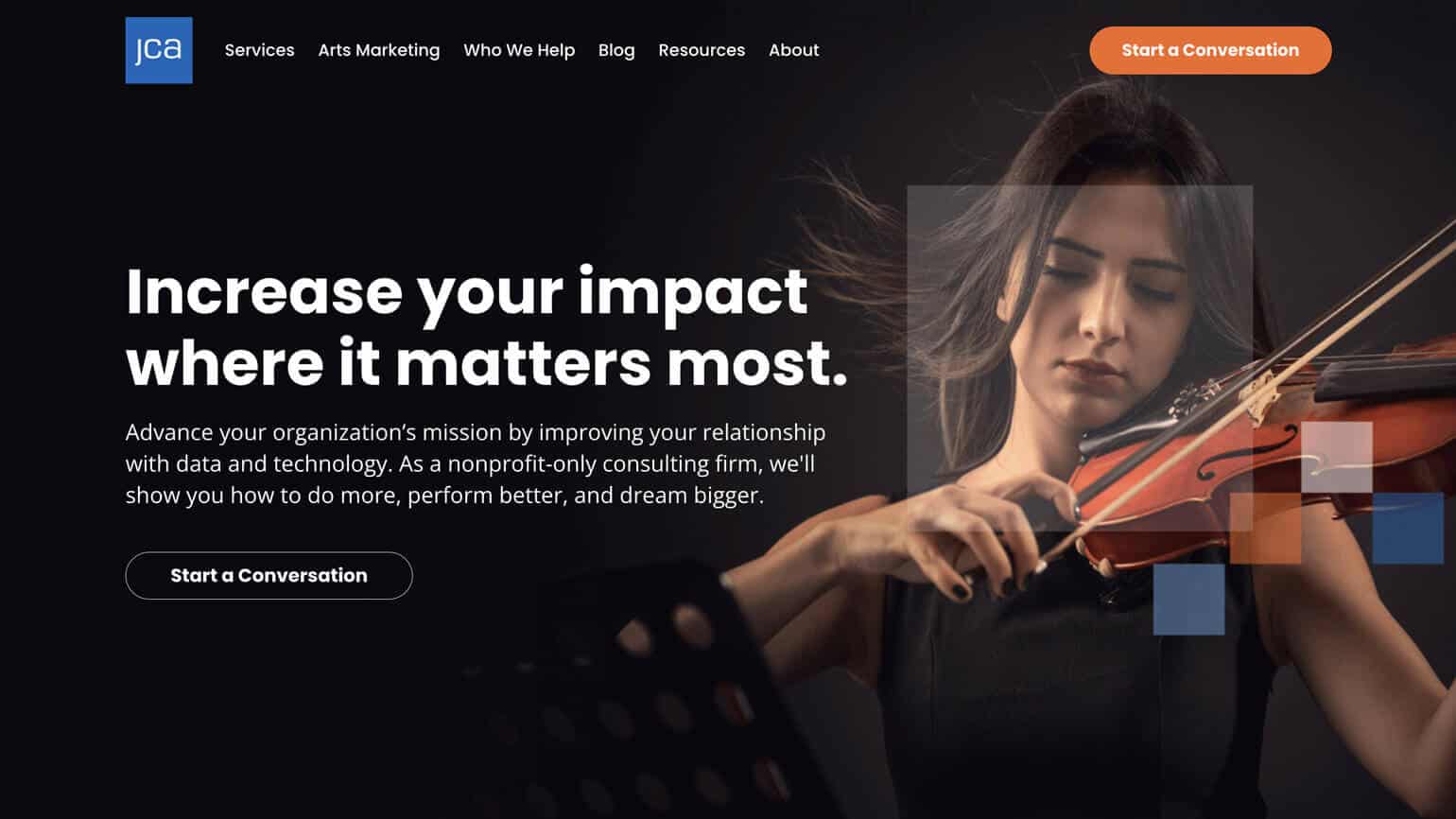
(JCA uses color and compelling photography to guide the visitor through the website.)
The main goal of a website is to attract a target market. The next goal may be to educate the visitor. The final goal should always be to entice the visitor to complete an action, whether it is to sign up for a newsletter, download a case study, or set up a consultation. Strong calls-to-action are essential to converting website visitors into leads or new clients.
Strong CTAs should be part of the initial B2B web design, not an afterthought. They should be placed in an appropriate place in the layout that makes sense for the target market. For example, a “Learn More” button may be placed higher in the design, while a “Contact Us” form may be placed towards the bottom of the design when the visitor is more educated about a brand or company.
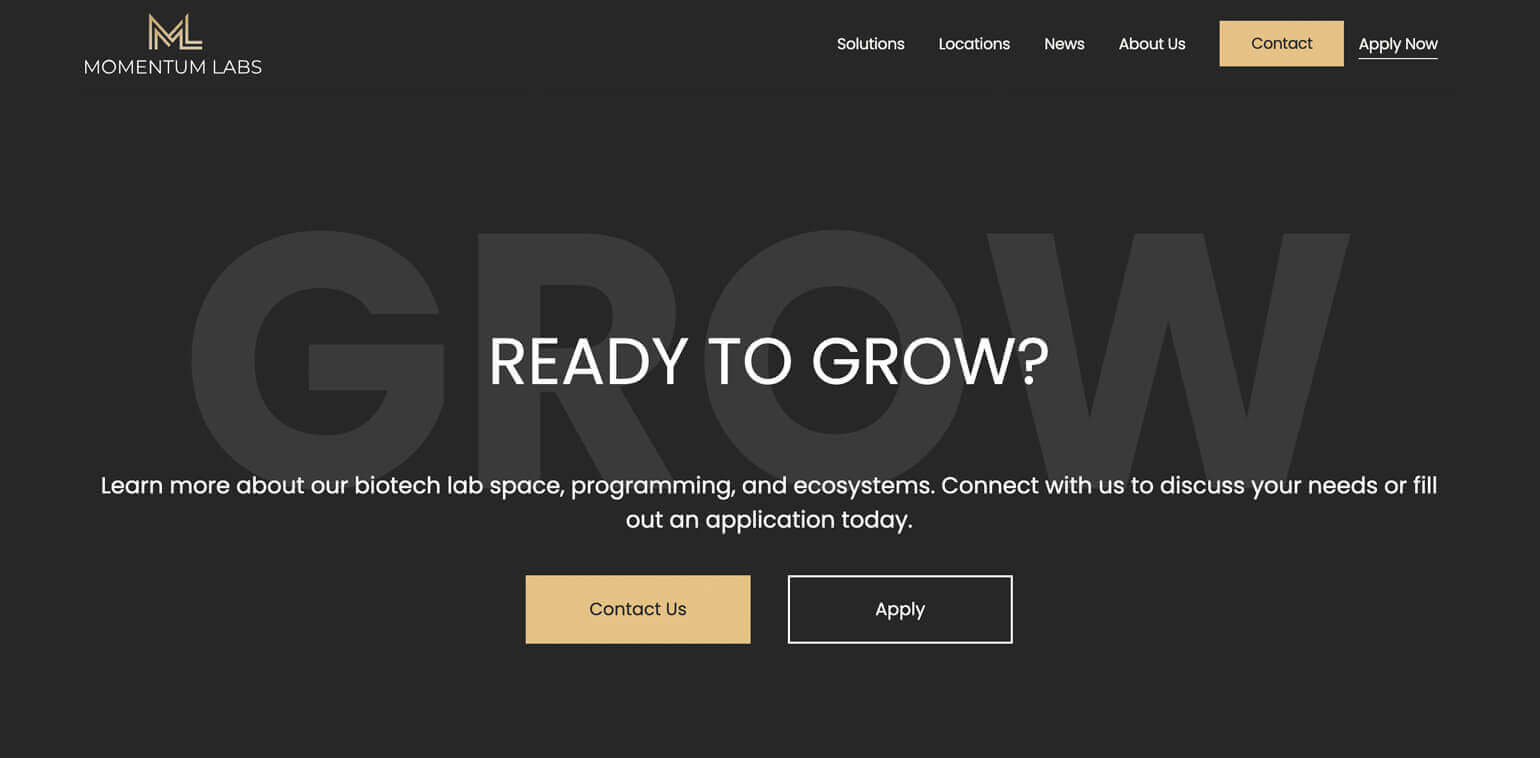
(Momentum Labs uses large type and playful headlines throughout the website to help CTAs standout and convert visitors.)
Smartphones now have 16, 20, or even 21 mega-pixel cameras in them. Remember, a phone’s main function is not necessarily as a camera. For this very reason, it’s imperative that all images, videos, and photos included in a web design are high quality. A fuzzy image or out-of-focus picture negatively impacts the credibility of a brand.
If your brand or firm isn’t able to invest in custom photography at this time, stock photography is actually a great option these days.
Great web designers balance clear, high-quality images with sizes that don’t slow down the website load time.

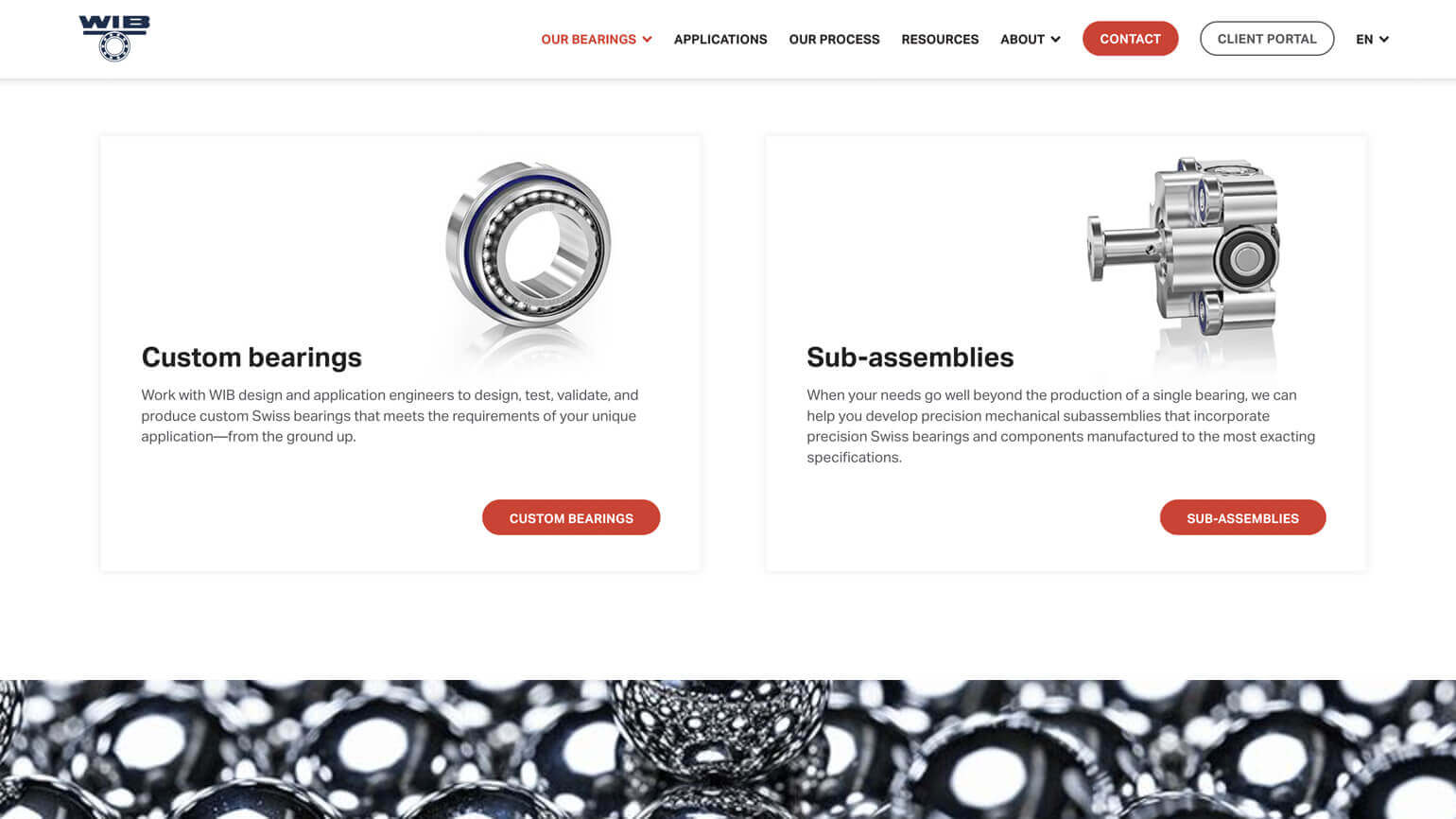
(WIB uses custom video and clear, sharp imagery that supports the brand’s overall message of precision and excellence.)
At its very core, B2B web design must be functional. This means that it should create a good user experience. Effective web design takes it a step further and enhances the user experience by creating an intuitive layout, telling a compelling story, and serving up what the user is looking for when they want to see it. For this very reason, seasoned web designers are taking an interest in the user experience (UX) to ensure their designs are anticipating the needs of the target market.
When looking to enhance the user experience, it’s important for a designer to put themselves in the user’s shoes. Also, it’s essential that the web designer considers how every element of the design builds value for the user and meets a need.

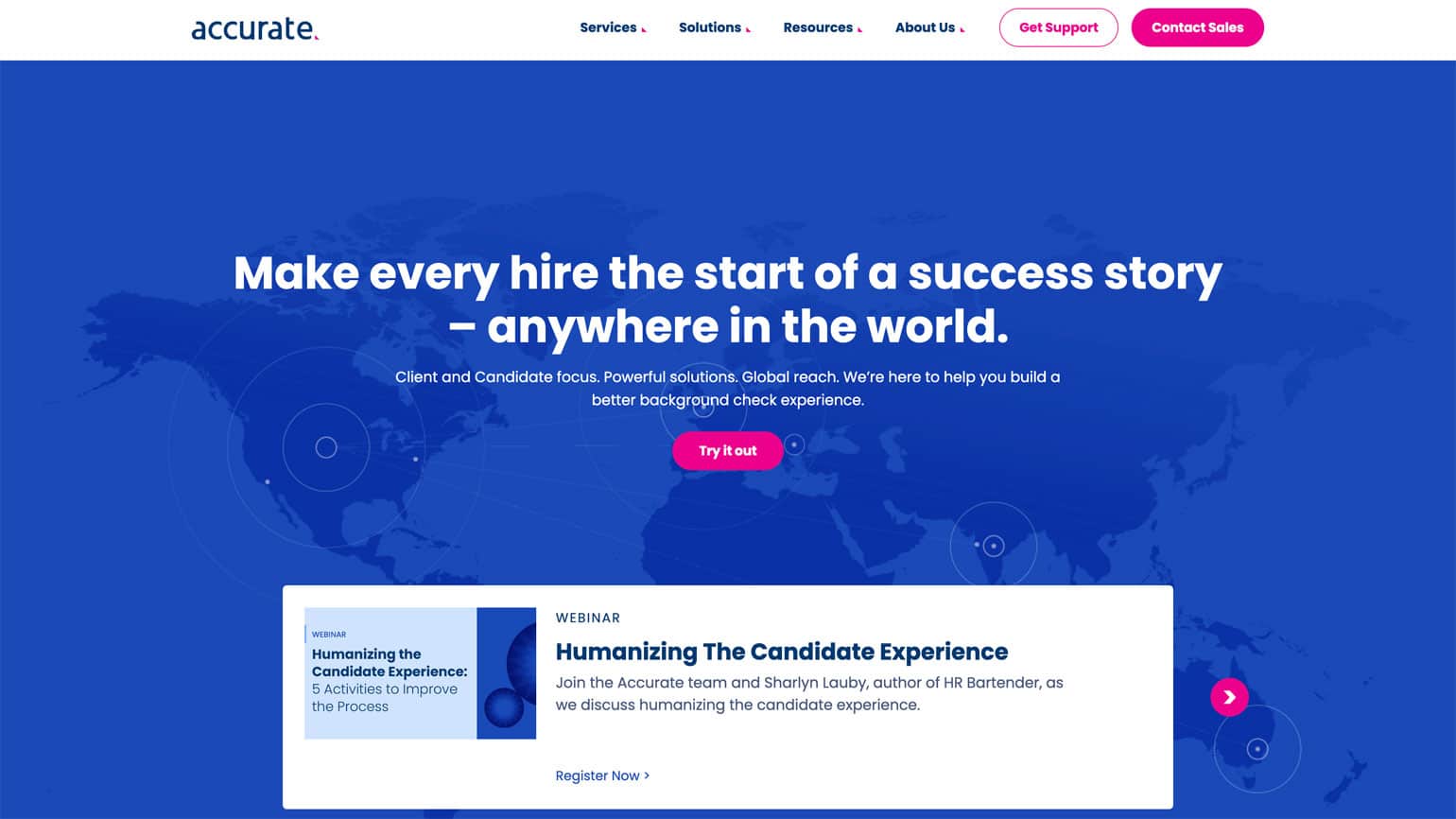
(The Accurate website design has a color palette and clean, easy-to-use layout that enhances the user experience and conversion rates.)
If a website is gorgeous but no one sees it, is it effective? The answer is no. Strong websites attract and convert visitors. For this very reason, B2C and B2B web design must follow SEO best practices to ensure the website is showing up for the target market.
While the list of SEO best practices for web design can be fairly long, a few best practices include:
- Sizing pictures for faster load times
- Internal linking to keep users engaged & on the site
- Properly labeling images for search engines and users

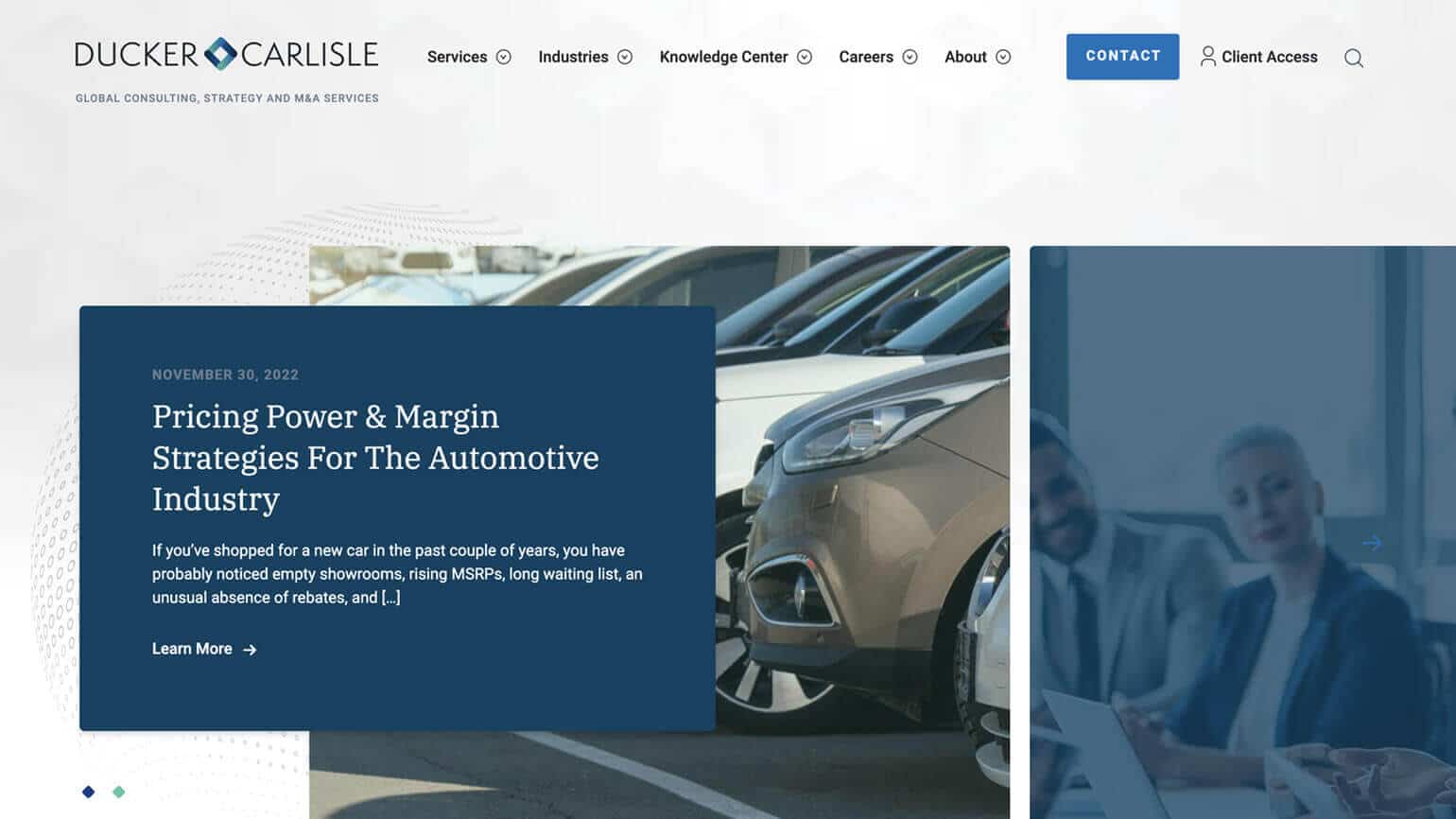
(The Ducker Carlisle’s photo choices, layout, and navigation follow SEO best practices for website design.)
At the end of the day, B2B web design can be innovative, interesting, and beautiful – but it also needs to be functional. Successful websites don’t need to have boring designs, but they do have to marry smart design with a great user experience.
B2B web design frequently asked questions
Websites your customers want to browse
The B2B web design team focuses on building websites that streamline content and feature efficient navigation—the most content with the least amount of clicks—so your brand message gets across quickly and clearly. The website content needs to be timely and relevant—compelling content that keeps a visitor on your site.
B2B web designs that nurture leads
An effective B2B web design communicates your brand message and entices your visitor to complete a desired action. There needs to be no mystery on why a prospective client should hire your firm over your competition. Our B2B web design team creates clear, compelling, and well-placed calls-to-action to turn website visitors into engaged prospects.
Websites that grow with your business
Our design team ensures your B2B website design is easily scalable so that you can integrate more functionality and content down the road with no issues. For instance, you may add new services, personnel or expand locations. The WordPress CMS makes it simple for a non-technical person to make content changes to the website. Ease of edits on the backend is critical for the future success of your B2B website design.
B2B websites that drive traffic
Your website has little value if no one can find it. Our B2B web design, content strategy and development is executed with the latest SEO best practices in mind so you’re ranking more prominently for target search terms. We identify geo-targeted and industry-specific keyword phrases that help you rank more quickly. Once the website is launched, we drive not only organic traffic but paid, social, etc. We want your B2B website design to not only be beautiful but to also be a gateway to new clients.
B2B website design for speed
Website load time is critical, not only for usability but from a SEO standpoint. At Bop Design, we understand that the cornerstone of an effective B2B website design is page speed. We will develop a website that performs optimally so that visitors stay on the website longer and visit more pages.
A team of experts
A well-planned website requires a team of B2B marketing professionals— brand strategist, web designer, web developer, content strategist, copywriter and SEO expert—in order to reach its full potential. Bop Design employs a team of specialists on all B2B web design projects, creating an effective brand platform to attract and engage ideal prospective clients. Our team has worked on a range of B2B website designs and marketing strategies.
You’ve seen the ads, putting together a website is as easy as 1…2…3! All you need to do is add your logo, change the colors, and put in some copy, right?
It’s true that certain website builders, like Wix or Squarespace, enable you to build a website fairly quickly. However, building a custom B2B website design is not so quick (or cheap). Here are a few reasons why those websites advertised on TV are so inexpensive and relatively quick to launch:
They are customizable templates, not custom builds
These website building services are template-based. You can choose a template and do various levels of customization, but it’s not a custom B2B website that is designed and built from scratch to meet your needs. Learn how to determine your B2B website objectives.
The functionality is already set, you get what you get
Being that these services make money on volume rather than individual pricing, they are fairly cheap to build. However, along with the minimal cost is minimal functionality. If you want to have custom animation or change how the CTAs function on your website, you are out of luck with a template. You get what you get with the existing functionality.
If you want to have certain features and functionality, your best bet is to work with a B2B website designer and developer who won’t “kinda make the website work,” but who will listen to your needs and make the website function or perform accordingly.
You do all the heavy lifting
Just as you can build a house cheap if you do all the construction, you can build a website cheaply if you do all the heavy lifting. That means you have to choose all the images, write all the copy, upload all your resources, position everything on the right pages, implement all the search engine optimization, and more. If want to do all the work yourself, a template website may work for you. However, if you’d like to maintain control without doing all the heavy lifting, you are likely in the market for a custom website design and build. Read Why does great web design take so long?
You get what you pay for, additional services are additional costs
The great part, and major drawback, of a template website is that you often get what you pay for, and only what you pay for. It’s important to read up on what is included in the price of the build and what will be extra. Is customer support included or billed at a monthly or hourly fee? Do you need some minor development help? That often costs more and you will be billed every time you ask for revisions. Any additional features or plugins will always cost extra and may be billed a recurring rate. It’s rare that it’s a one-time fee. While you can keep costs to a minimum if you don’t require any assistance, the costs can start to rack up if you want certain levels of customization for your website.
You have access to customer service, not a dedicated team
Many of the template website services advertise that they have 24/7 support –which sounds great. However, it often means that the support is offshored to ensure support is always available, even at midnight in Missouri. It also means that you are emailing or calling into a support center with a rotating staff. If you call or email twice in the same day, chances are you won’t even talk to the same person. They will likely have a ticketing system, but those are only as good as the people entering the notes.
Conversely, custom-built B2B websites are crafted by a dedicated team of 4 – 5 people. The advantage here is that you often only have 2 -3 points of contact and they become familiar with not only your business but with you, personally. There is a level of continuity and responsibility that the call centers just can’t provide.
The ideal market is small, mom & pop shops
If you are that template website builder’s ideal customer, then you should absolutely work with them. They will offer you just the right amount of value for your budget. These types of services are often best for one-person consulting firms and mom and pop shops. Many of your clients will understand that you are a small-scale operation and won’t be put off by a simple, straightforward website that isn’t 100% customized. Perform a 5-minute B2B website audit.
B2B custom websites are totally worth the investment if:
- You are looking to create a polished, professional image
- You need to build credibility with prospects, partners, or potential investors
- You are looking to establish your authority in your industry
- You are looking to build a living, breathing resource center
- You are interested in generating qualified leads for your business
There is a slew of other reasons to build a custom B2B website, but these are the main reasons why businesses consider it. For websites, just as in life in general, you get what you pay for. If you pay $50 – $100 for a website, it will look like an inexpensive website. If you invest in a custom web design, you will get a polished digital asset that accurately reflects your company as forward-thinking and established.
The length of time needed to design and launch a new B2B website depends on the scope of the project. The scope is defined by the number of pages, design elements, functionality, etc. For an average B2B web design with 20 standard pages, it takes about 16 – 20 weeks to design and launch the website from start to finish.
Again, this depends on the scope of the project. A one-page website with limited design and content will be less expensive than a 50-page website with integrated forms, an SEO strategy, and custom design and development. At Bop Design, our typical B2B web design starts at $25,000 and averages about $45,000.
Who you work with will depend on your needs, budget, the scope of the project, and your objectives. If you are looking for a critical digital marketing platform to generate leads, you should invest in a partnership with a web design agency. If you have an accomplished, extensive design team familiar with web design, you may just need the help of a developer. If you have a limited budget or are a small company, your best bet may be to work with a freelance designer.
We get this question a lot and it’s a great question, but it doesn’t have a simple answer. The truth is that a lot happens behind the scenes on a B2B web design project. What you can ask to see is a website project schedule sample. The schedule will show all the steps involved in the project and when you can expect to see activity/designs to review/development to review.
Yes. WordPress is one of the most popular content management systems and is the most widely used CMS. For this reason, WordPress has an extensive community for support, plugins, and is often the easiest to update for non-developers. At Bop Design, we only build B2B websites that have a WordPress CMS.
We recommend having the fewest number of people involved in the project as possible since it streamlines the process and ensures cohesiveness. You’ll need a point person to work closely with the B2B design agency, a person who can review and provide feedback (for most companies this can be a few stakeholders), and a person who is authorized to provide approvals.
Before starting a B2B web design project, it’s essential to have your messaging, main value proposition, core service/product offerings, and buy-in from your team for the project. If you don’t have any of these items, let your web design partner know so they can guide you through the process. Other things that are great to have are any copy input, custom images (if available), logos, and other assets.
We recommend discussing web hosting options with your web design partner. They often have experience working with a range of hosting providers and can provide suggestions based on your budget, bandwidth needs, and website functionality.
We know this isn’t an exhaustive list of questions on B2B web design, but we believe these are the main questions we hear from potential clients. Feel free to contact us with your question, or check out any of our blog articles listed below:
Custom B2B Web Design vs. Template Websites (Pros vs. Cons)
Questions to Ask Before Designing a New B2B Website
How to Determine Your B2B Website Objectives
Important Decisions You Must Make While Redesigning a B2B Website
What Makes a Web Design Company the Right Fit?
5 Important Questions to Ask Before Starting Your B2B Web Design Project
A Complete B2B Website Checklist
Should You Host Your Website Internally?
Pulling Together the Right Internal Team to Develop Website Content
Your website launched: Now unlock its full potential!
Get the roadmap to maximizing the ROI of your website. Get your free copy of Your Website Launched: Now What?
The B2B Website Buyer’s Guide
The B2B Web Design Guide empowers you with the tools needed to research, qualify and select the optimal B2B web design agency for your firm’s needs.
The Ultimate Guide to Prepare for Your B2B Website Design Project
Are you considering starting or already planning for a B2B web design project? Even if you’ve been through the process before, you likely have many questions or may not know what to expect or where to start.

OUR CLIENTS SAY IT BEST
“Working with Bop Design has really elevated our business. Bop is basically our extended team when it comes to marketing. It’s been a game changer, our online presence just looks right. If I had to summarize in four words how to describe our engagement with Bop Design, I would say it was easy, proactive, straightforward, excellent.”
Christian Tagliapietra, VP of New Projects
IVEMSA
B2B web design trends paving the way in 2026
10 red flags it’s time for a new B2B website
B2B web design for mobile-first indexing
Enhance your B2B website UX with micro-interactions
CRO 101: Best practices to make your B2B website perform better

The impact of AI on B2B website design and how to adapt
The role of UX/UI in conversions: Why user experience drives B2B marketing success
Optimizing B2B web design for voice search: Best practices for the AI-driven internet
Why B2B marketers should embrace chatbots
Let’s talk about your project
Get in touch to chat about how we can help you build a better B2B brand. Don’t be shy. We’re great listeners, and even better problem-solvers.